Guides/Buying guides
Buying a Holiday Home in Cyprus in 2026: Costs, VAT, Stay Limits and What Each Night Really Costs

A holiday home in Cyprus costs more to buy than most guides say and less to own than it first appears, and the difference sits in three numbers. A new-build second home carries VAT at 19%, because the 5% rate is reserved for a main residence, which puts the extras on a €300,000 purchase near 20% against about 4% for a resale. Running costs of about €935 to €1,650 a year are small beside the purchase costs. And a British or other non-EU visitor may stay up to 90 days in a 180-day period without a permit, which limits how much of the year the home can be used. This guide puts figures on each (the listing prices are from this site's project database on 6 November 2026, the costs from our cost and VAT guides, the stay limit from GOV.UK), works out what each night of owner use costs, and compares Paphos, Limassol, Larnaca and Ayia Napa.
Cyprus holiday home: what a second home costs to buy, and why VAT is 19%
New-build property in Cyprus carries VAT, not transfer fees. The reduced 5% rate applies only when the buyer intends the home as a main and permanent residence, within size and value caps, and the saving can be clawed back if the home stops being a main residence (see Cyprus property VAT explained). A second home does not qualify, so the 19% standard rate applies to the whole price. The table costs the same €300,000 purchase both ways, using the assumptions in our cost of buying property in Cyprus: legal fee of 1% plus VAT and about €300 of Land Registry charges.
| €300,000 holiday apartment | New-build, 19% VAT | Resale |
|---|---|---|
| VAT | €57,000 | €0 |
| Transfer fees | €0 | €8,600 |
| Legal fee (1% plus VAT) | €3,570 | €3,570 |
| Land Registry charges | €300 | €300 |
| Stamp duty | €0 (abolished from 1 January 2026) | €0 |
| Approximate total | €360,900 | €312,500 |
| Extra on top of the price | 20.3% | 4.2% |
Two cautions. Developers often quote a price plus VAT, so a €300,000 asking price on a new-build can mean €357,000 before legal fees, and the prices in the tables below are listing prices on that basis. And the resale column assumes the property really is a resale; since 1 September 2026 the line turns on whether the building has had first use, so ask your lawyer to confirm in writing which regime applies to the exact unit.
Cyprus holiday home: what every night you use it costs
A second home earns nothing on the nights you stay in it, so the fair question is what each of those nights costs you. The worked example spreads the purchase extras over ten years, adds the running costs our cost guide gives for a typical apartment (€935 to €1,650 a year: community fees, municipal charges, waste, sewerage and building insurance) and divides by the nights used. It excludes electricity and water, which you pay when you are there, and any sale costs.
| Nights used a year | New-build at 19% VAT (€7,025 to €7,740 a year) | Resale (€2,185 to €2,900 a year) |
|---|---|---|
| 30 | €234 to €258 a night | €73 to €97 a night |
| 60 | €117 to €129 a night | €36 to €48 a night |
| 90 | €78 to €86 a night | €24 to €32 a night |
| 120 | €59 to €65 a night | €18 to €24 a night |
The new-build annual figure is €6,090 (the €60,900 of extras over ten years) plus running costs; the resale figure is €1,250 plus running costs. Compare the result with what a comparable apartment or villa would cost you for the same nights: ownership wins when that nightly price is higher than the figure for your nights. The figure leaves out the return the €300,000 could earn elsewhere, and each 1% of forgone return is €3,000 a year, or €50 a night at 60 nights. The reasoning for long-term residents, where the comparison is with a rent, is in rent or buy in Cyprus.
The table says something blunt about new-builds. Because of the 19% VAT, a second home bought new needs about three times the nights of a resale to reach the same cost per night, and a buyer who will use it 30 nights a year pays over €230 a night for them. A new-build holiday home therefore makes sense for a buyer who values its layout and amenities enough to accept the higher cost per night.
How long you can stay in a Cyprus holiday home without a residence permit
GOV.UK's entry guidance for Cyprus says British citizens can visit for up to 90 days in a 180-day period without a visa, and that Cyprus is not part of the Schengen area, so days in Cyprus do not count towards the Schengen limit and the reverse. Owning a property does not extend the stay. A British owner who wants more than about three months a year needs a residence route, and that is a separate decision from buying.
- EU citizens: three months free, then registration with the yellow slip, as set out in our MEU1 guide.
- Non-EU citizens who want to live there part of the year: the pink slip or Category F, both of which need an income test.
- Non-EU buyers of a new-build of at least €300,000 plus VAT: permanent residency under Category 6.2, which asks only for a visit at least once every two years. A holiday home bought at the 19% rate can qualify, since the permit is attached to the purchase.
Cyprus holiday home: if you also want to let it
This guide assumes you buy the home to use it. Letting a home to tourists is a separate activity with its own registration and tax obligations, and we neither offer nor manage lets, so we do not model rental income here. If you plan to let, take advice from a licensed Cyprus adviser before you rely on any income figure, and check with the developer or the owners' association whether short lets are allowed in the building before you reserve.
Where to buy a holiday home in Cyprus: Paphos, Limassol, Larnaca or Ayia Napa
The four areas differ in how you get there, how much the same money buys and how crowded the market is. Paphos has its own airport and the strongest UK link: British passengers made up 46% of its traffic in July 2025, and its traffic from January to August 2026 was 31.8% above 2025 while Larnaca's was 13.4% below (Cyprus Mail). Larnaca has the larger airport and the central position, with Nicosia, Limassol and Ayia Napa each within an hour of it. Limassol has no airport of its own. Ayia Napa and Protaras, in the Famagusta district, are the east-coast resort area, with a thin supply of apartments and mostly villas. For the two cities side by side see Paphos or Larnaca, for the other pair Paphos vs Limassol, and for the villa belt towards Coral Bay the Peyia guide.
What a Cyprus holiday home budget buys: apartments from €200,000 to €400,000
The table counts the apartments listed on this site on 6 November 2026 in each price band, with the median interior area (built area where the listing gives no interior area) and the share of one-bedroom and two-bedroom units. Prices are listing prices, usually before VAT. Famagusta rests on four projects and is thin.
| District | Band | Apartments (projects) | Median area | Bedrooms |
|---|---|---|---|---|
| Paphos | €200,000 to €300,000 | 152 (33) | 54 m² | 90% one-bedroom |
| Paphos | €300,000 to €400,000 | 255 (51) | 77 m² | 60% two-bedroom |
| Limassol | €200,000 to €300,000 | 149 (19) | 52 m² | 97% one-bedroom |
| Limassol | €300,000 to €400,000 | 204 (42) | 68 m² | 69% one-bedroom |
| Larnaca | €200,000 to €300,000 | 112 (14) | 63 m² | 61% one-bedroom |
| Larnaca | €300,000 to €400,000 | 69 (15) | 76 m² | 87% two-bedroom |
| Famagusta | €200,000 to €300,000 | 6 (2) | 79 m² | all two-bedroom |
| Famagusta | €300,000 to €400,000 | 19 (3) | 84 m² | all two-bedroom |
A holiday-home buyer at €250,000 gets a one-bedroom apartment of about 52 to 54 m² in Paphos or Limassol and a larger one in Larnaca, and the second bedroom arrives between €300,000 and €400,000 in Paphos and Larnaca but mostly not in Limassol. Add the VAT before comparing: the €300,000 listing on a new-build is about €357,000 at 19%. For a villa, Paphos is the only district with real depth (470 villas on sale against 27 in Larnaca), as the Paphos or Larnaca guide shows.
Cyprus holiday home checklist before you sign
- Ask the developer to state the VAT rate and whether the quoted price includes it, in writing, and have your lawyer confirm that the 19% rate applies to a second home.
- Ask your lawyer to confirm in writing whether the unit is treated as new or resale for VAT, since the line turns on first use from 1 September 2026.
- A non-EU buyer needs Council of Ministers permission, filed by the lawyer after the contract is signed; the steps and their order are in how to buy property in Cyprus as a foreigner.
- Decide the stay pattern first. If you want more than 90 days a year, the residence route changes the purchase.
- Budget the cash for the whole purchase, not only the price; how much money you need to buy property in Cyprus sets out the payments and their timing.
Holiday-home apartments in Paphos, Limassol, Larnaca and Paralimni: nine projects
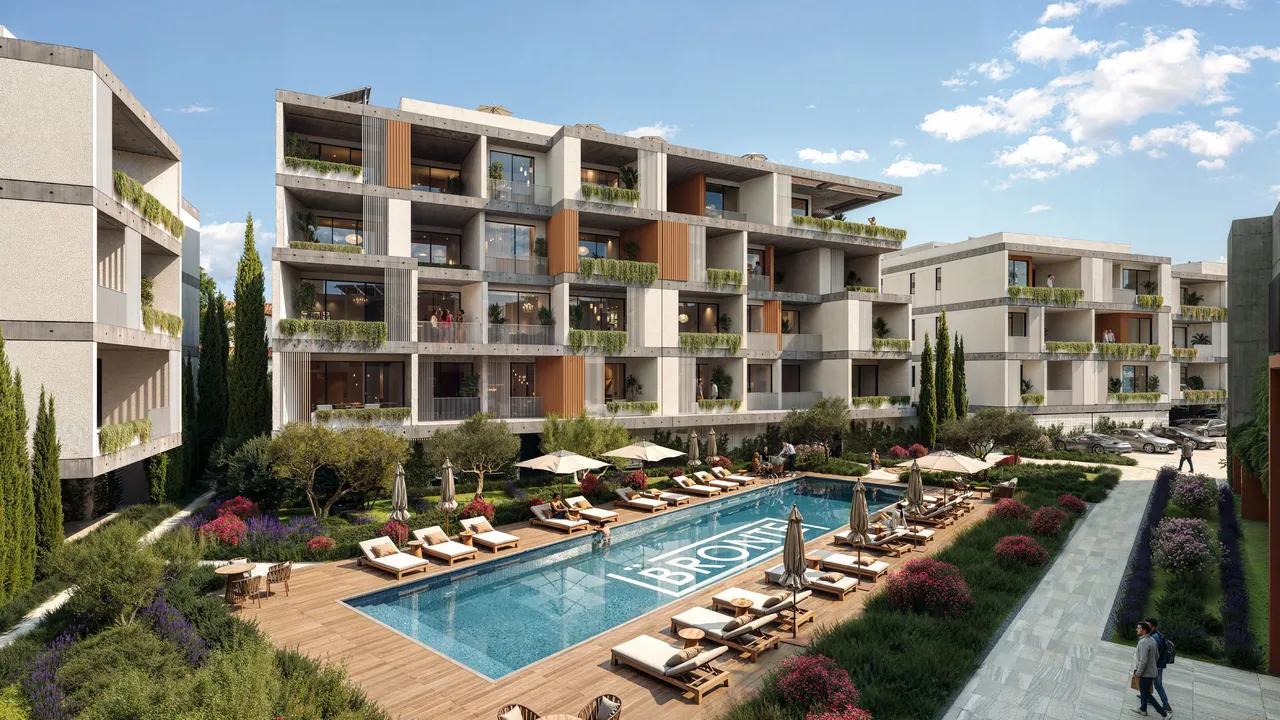 Apartment · Penthouse
Bronte
Paphos · Kato Paphos
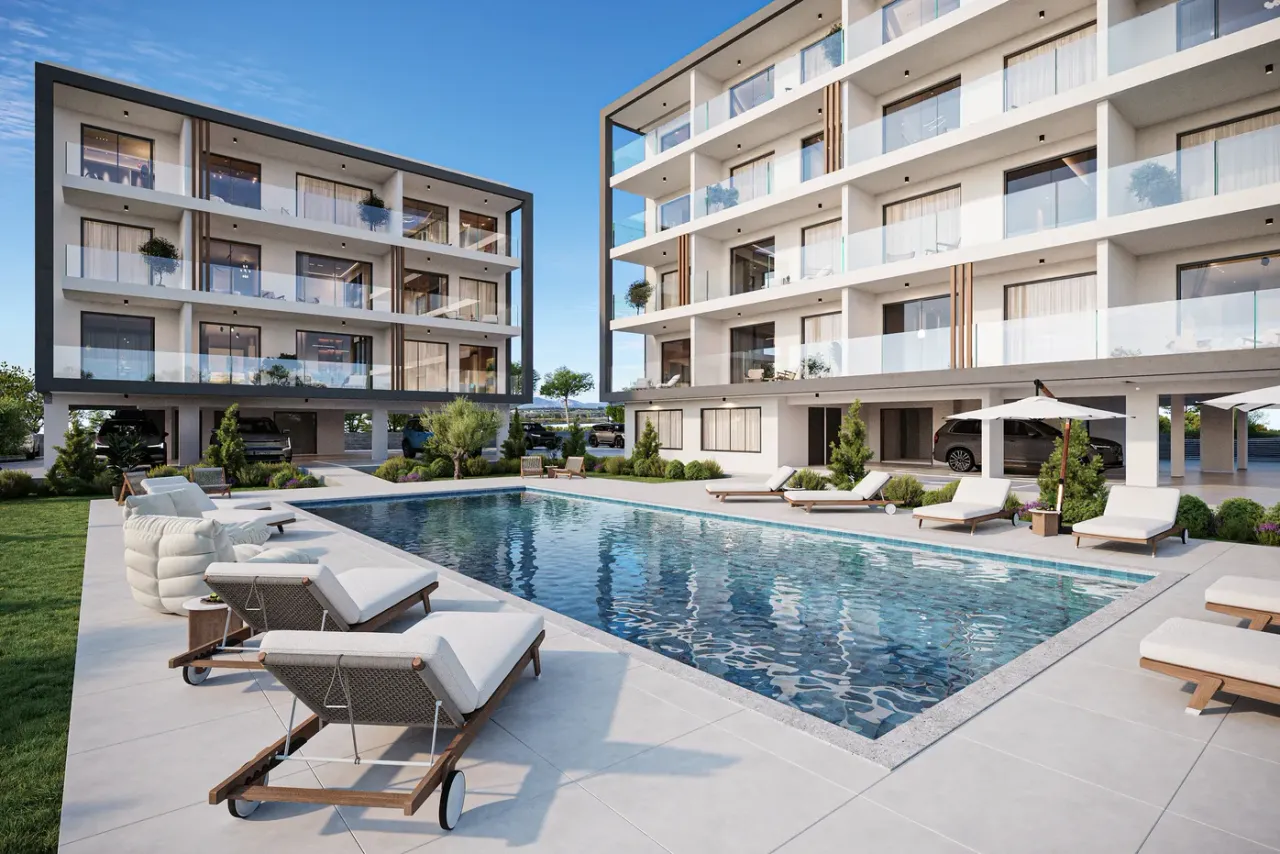 Apartment
Otello Apartments
Paphos · Universal
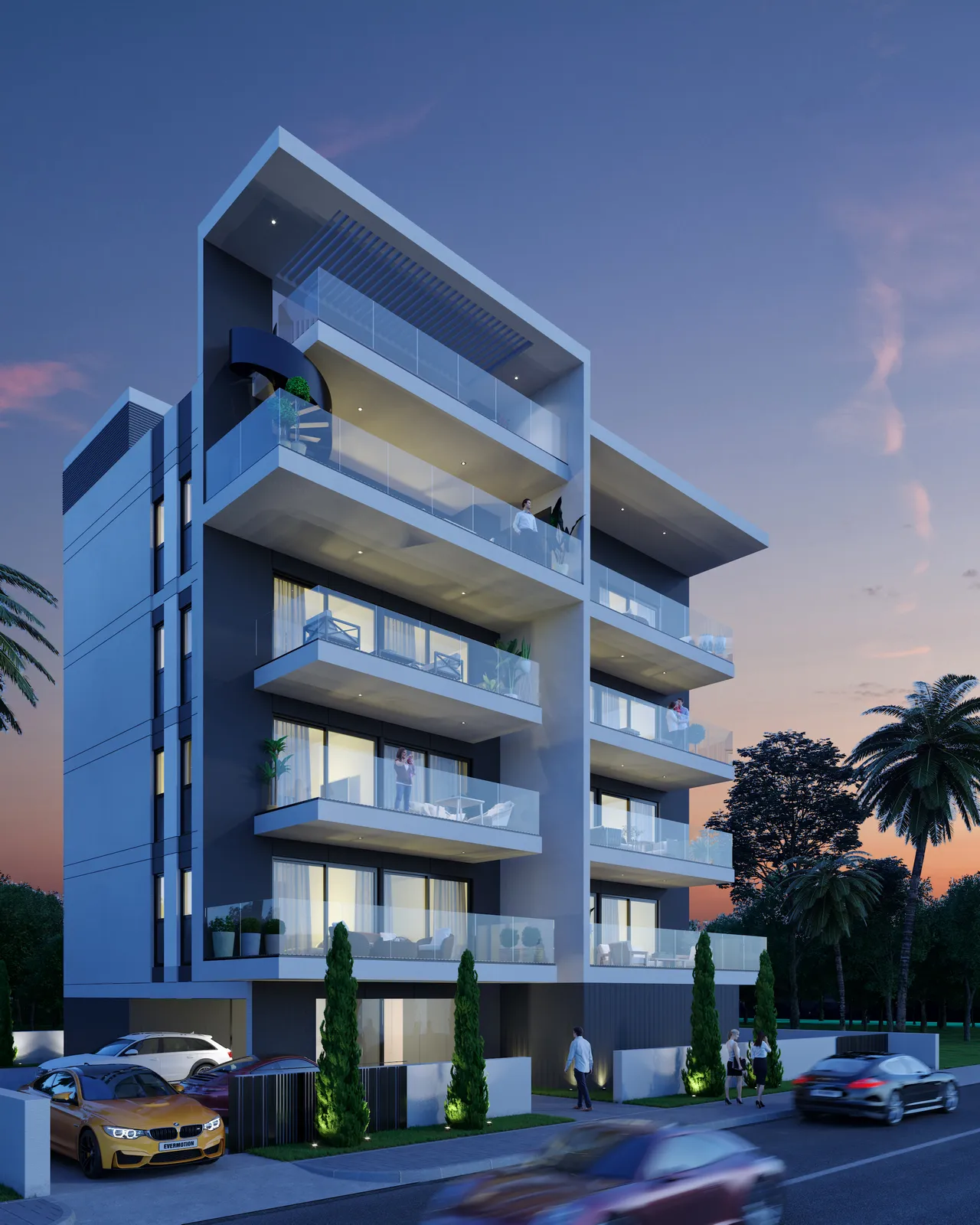
Amare Residences
Paphos · Universal
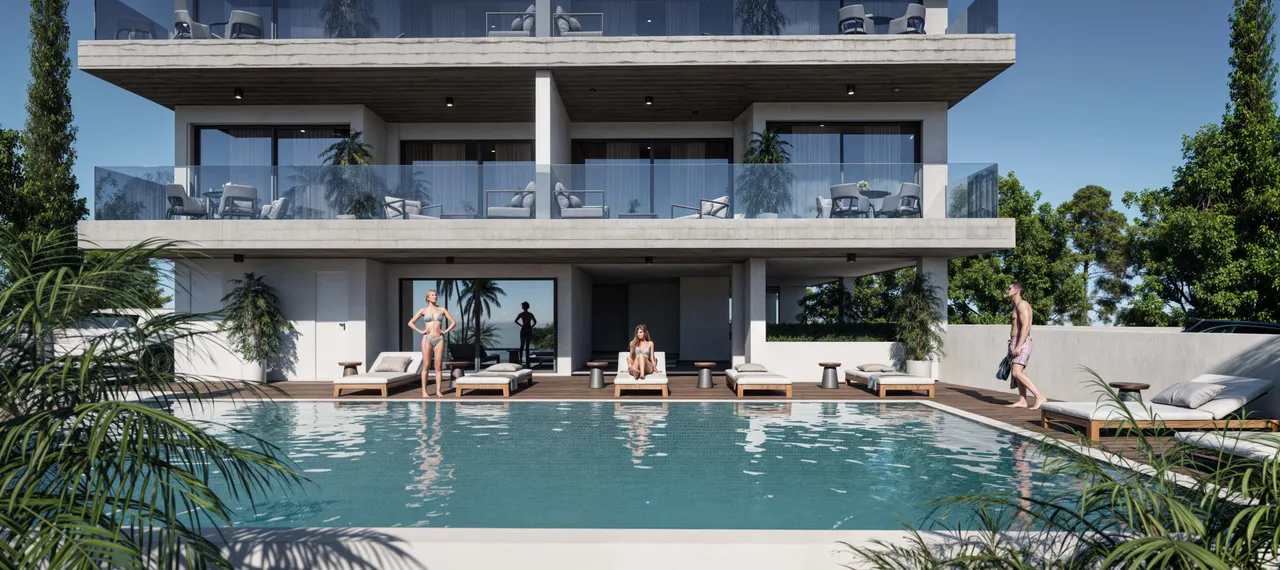
Horizon
Paphos · Universal
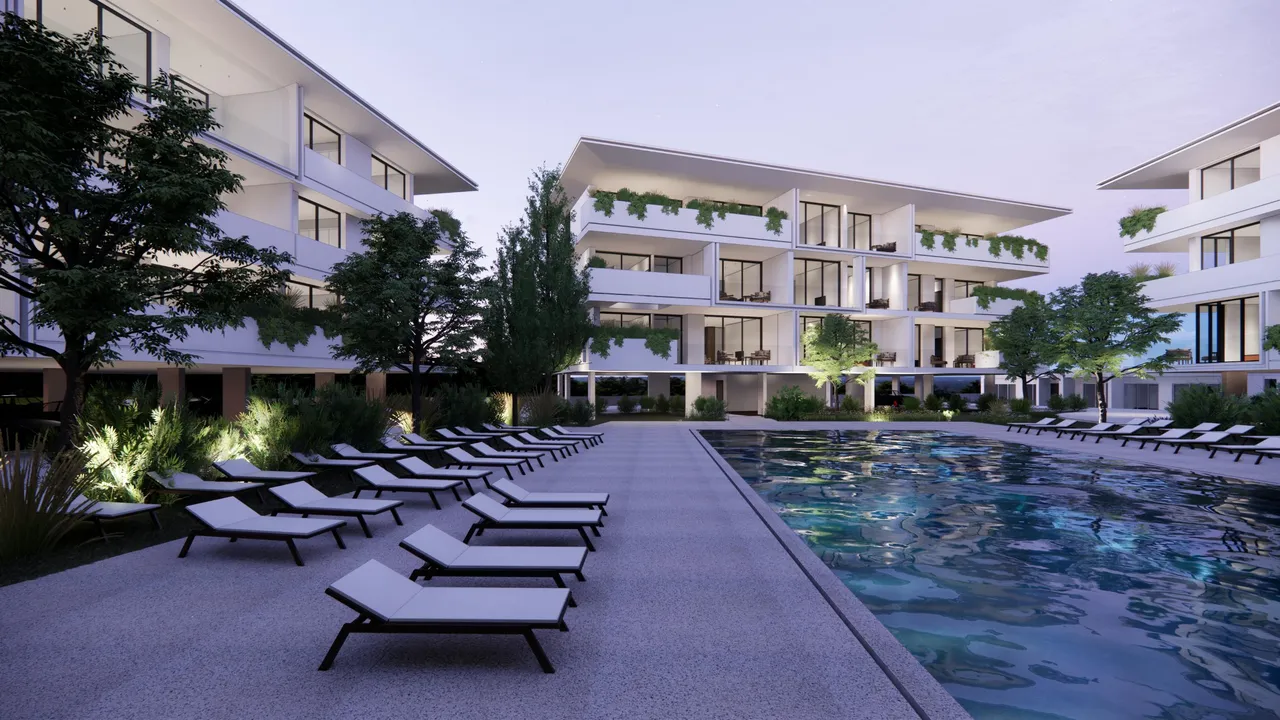 Apartment · Maisonette
The King Residences
Paphos · Kato Paphos
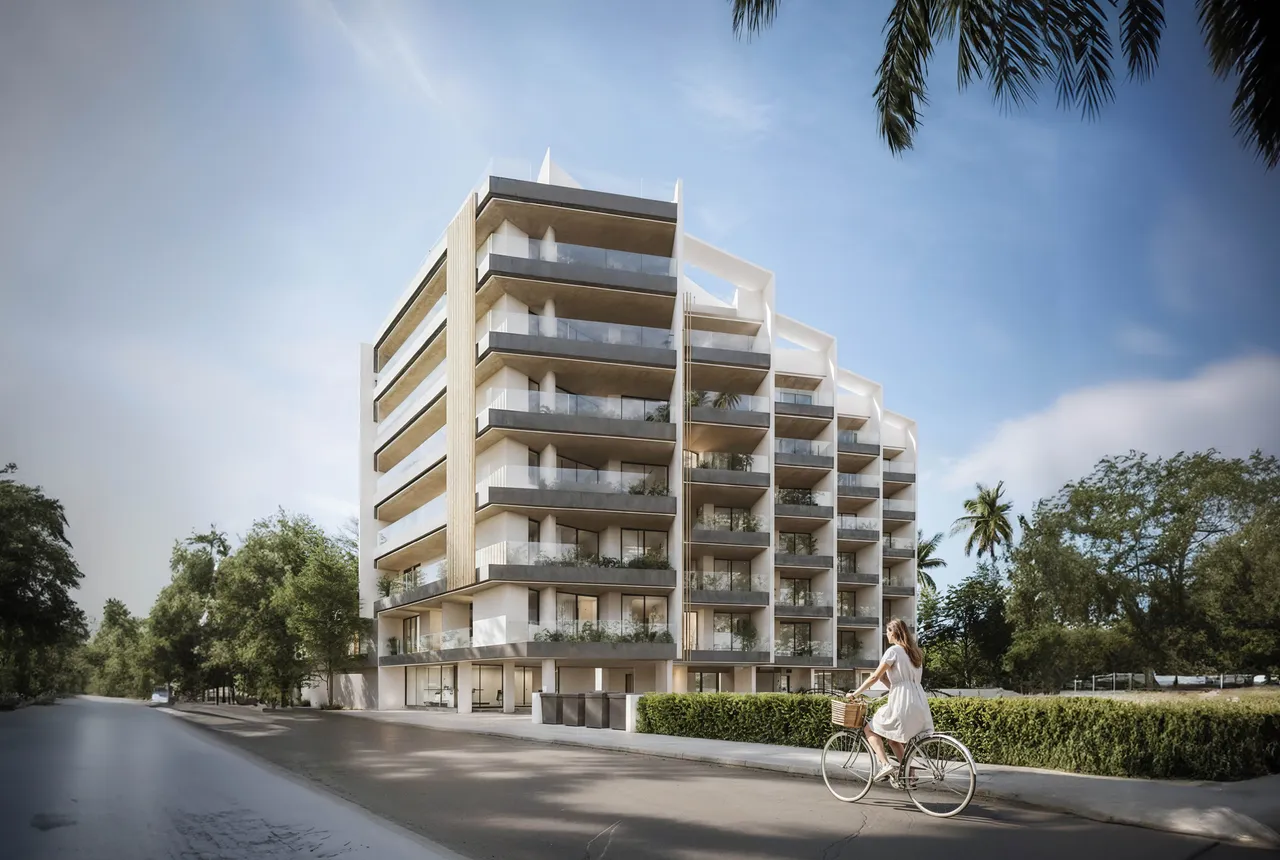 Studio · Apartment
Plus 82
Larnaca · Downtown
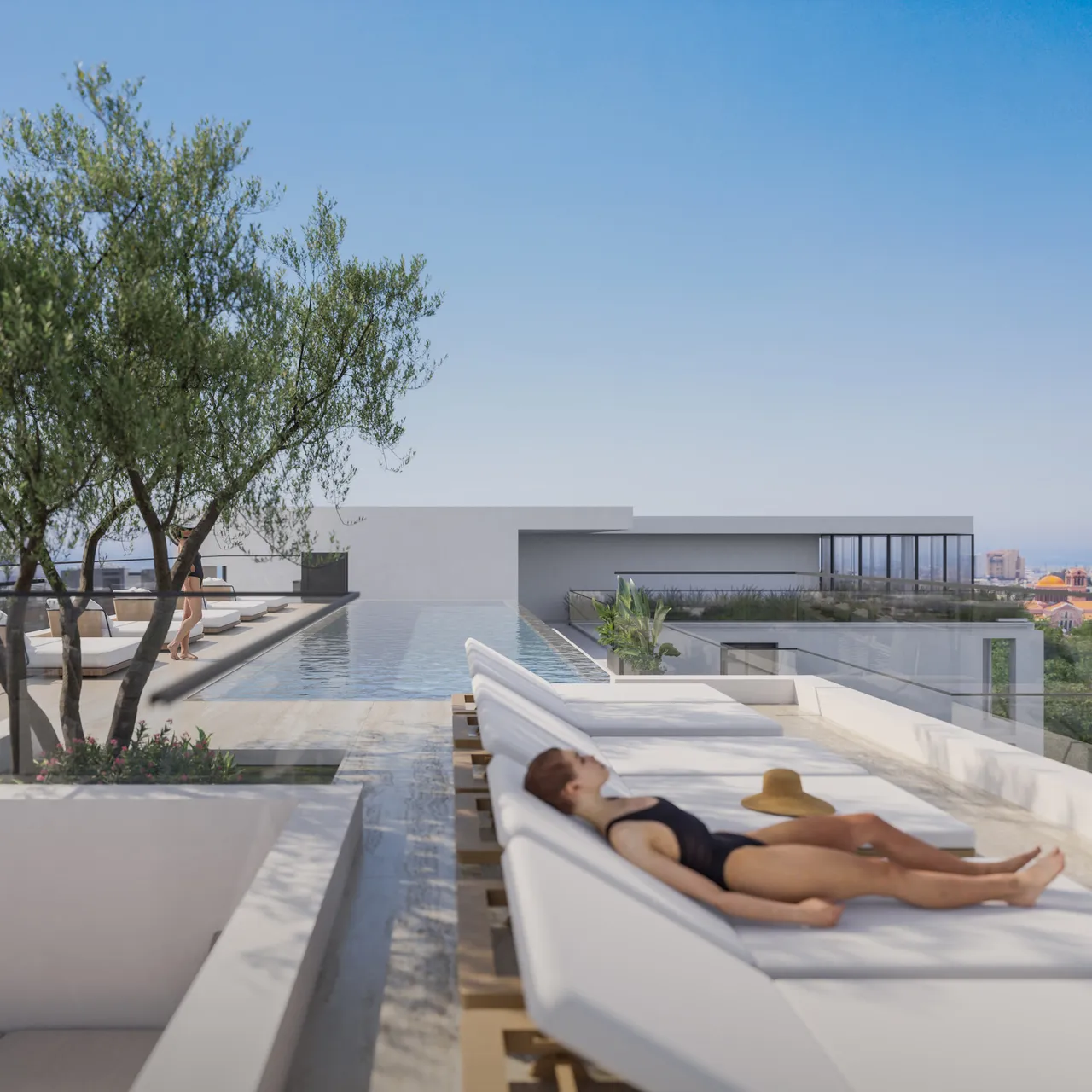 Apartment · Studio
The Collection
Limassol · Historical Centre
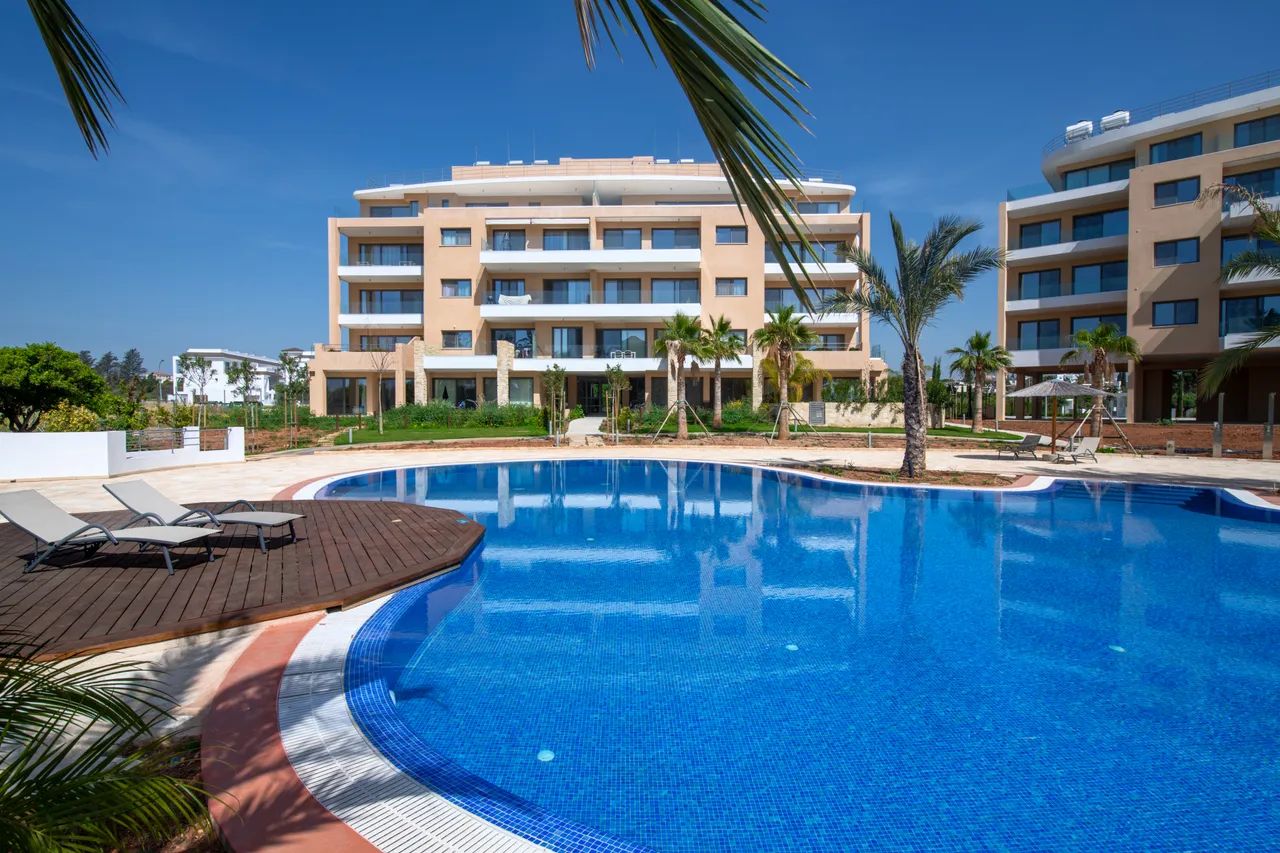 Apartment
Limassol Park
Limassol · Trachoni
 Office · Apartment
Avenue First
Famagusta · Paralimni
Cyprus holiday home: questions buyers ask
Yes. EU citizens buy on the same terms as Cypriots. Non-EU citizens, which since Brexit includes British buyers, need Council of Ministers permission under the Acquisition of Immovable Property (Aliens) Law, which for a bona fide buyer is a formality filed by the lawyer after the contract is signed.
19%. The 5% rate is for a main and permanent residence, within size and value caps, and a second home or a property bought to let does not qualify. A resale pays no VAT but transfer fees instead.
A British visitor can stay up to 90 days in a 180-day period without a permit, according to GOV.UK, and Cyprus is not in the Schengen area. EU citizens register after three months. Staying longer as a non-EU owner needs a residence permit.
Our cost guide puts community fees, municipal charges, waste, sewerage and building insurance at about €935 to €1,650 a year for a typical apartment, before electricity, water and any management fee.
It has its own airport, the strongest UK link (46% of passengers in July 2025) and the widest choice of projects and villas on this site. Larnaca costs less per square metre and sits in the middle of the island, and Limassol has no airport of its own. The answer depends on how you will use the home; our Paphos or Larnaca guide compares the two cities in detail.
Letting to tourists is a separate activity with its own registration and tax rules, and we do not offer or manage lets. Take advice from a licensed adviser and check that the building allows short lets before you buy.
It can. A first-sale new-build of at least €300,000 plus VAT bought from a developer qualifies under Category 6.2, and the holder must visit Cyprus only once every two years.
Sources, all read on 6 November 2026. Listing prices and areas: the available apartments and villas in this site's project database. Costs: our guides to the cost of buying property, property VAT and rent or buy. Stay limit: GOV.UK, foreign travel advice for Cyprus, entry requirements. Airport traffic and the UK share: Cyprus Mail, 6 August 2025 and 10 September 2026. Cyprus VIP Estates assists investors in choosing new developments; tax, legal and immigration advice comes from licensed professionals.