Guides/Buying guides
Village House in Cyprus: How to Buy and Restore a Stone House, with Costs, Legal Checks and the Government Grant

A village house or stone house in Cyprus is bought as a resale: no VAT, a Land Registry transfer fee of €2,900 on a €150,000 price (the statutory €5,800 after the 50% reduction), and a legal fee of about 1% plus VAT, which is €1,785. The cost that sets the budget is the restoration, and the state grant applies only to a listed building, meaning one with a Conservation Order: 50% of the recognised cost, or 40% inside the development-plan areas of Nicosia, Limassol, Larnaca, Paphos and Polis, up to €100,000, with the recognised cost capped at €1,700 per m² for buildings up to 300 m² since March 2026. For an assumed 90 m² house at €150,000 plus a €153,000 restoration, the total is €307,985 without a grant and €231,485 with it. Three checks come before the price: whether the house is listed, who the registered owners are (heirs often hold undivided shares, and co-owners have a right of first refusal), and whether the buyer is an EU or a non-EU citizen (non-EU buyers need district permission, and a bill under discussion would bar purchases in rural zones). Sources read on 9 November 2026. Fields and farms around a village follow different rules, covered in our guide to buying agricultural land or a farm in Cyprus.
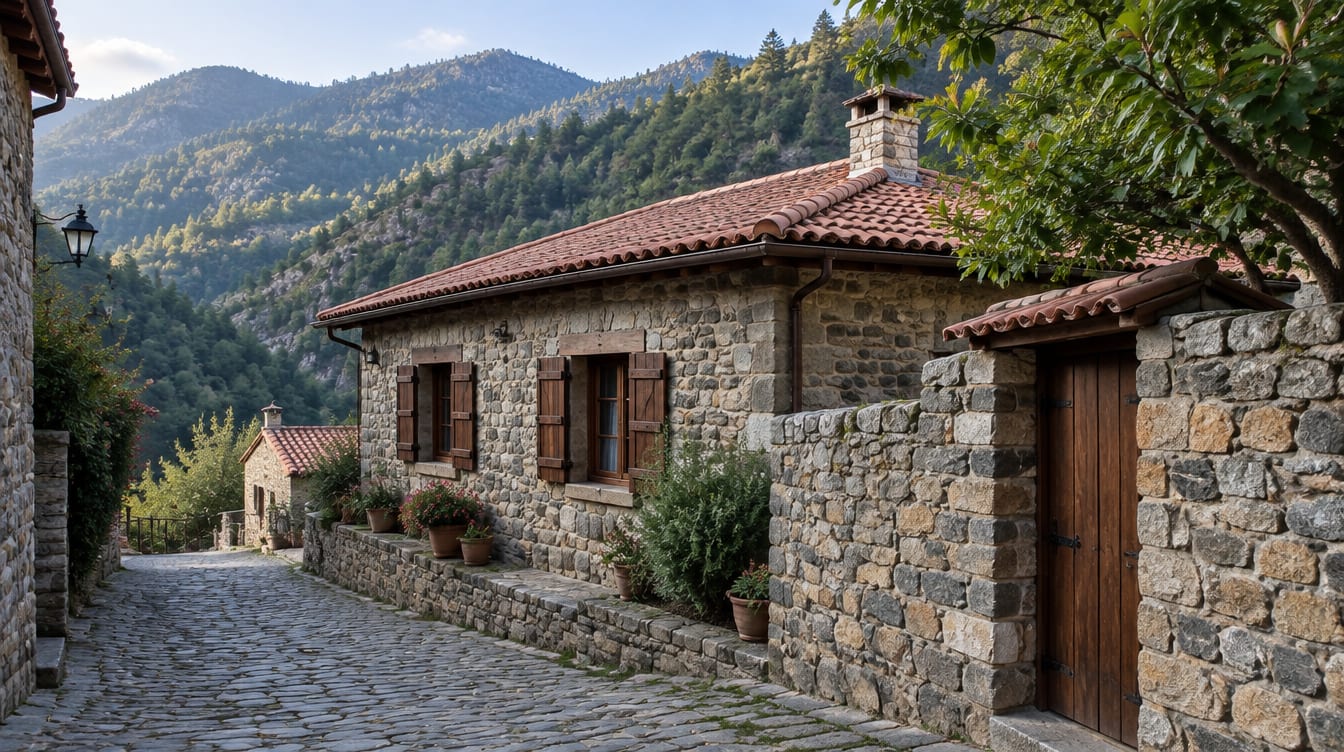
Village house in Cyprus: what counts as a stone house, a traditional house and a listed building
The laws read for this guide do not define "stone house" or "traditional house"; both phrases describe a type of old building, and the legal consequences depend on two formal statuses that a house may or may not hold.
- Listed building. A building for which a Conservation Order has been issued under Article 38 of the Town and Country Planning Law (Law 240(I)/2002 on Listed Buildings, section 2). Any building work or conversion on it needs the consent of the Minister of Interior, and the state grant and tax incentives apply.
- Ancient monument. A building the Council of Ministers has declared by order under section 6 of the Antiquities Law (Cap. 31), after the Director of Antiquities gives at least one month's notice in the Official Gazette, or one named in that law's schedules. The owner may not alter, add to or repair it in a way that affects its architectural character, or demolish it, without the Director's written permission obtained in advance; a breach carries a fine of up to €15,000.
- Unlisted old house. A stone or traditional house with neither status is an ordinary property. It needs the usual planning and building permits, it receives no listed-building grant, and its restoration is paid by the owner.
The status is a fact found in the records and depends on neither age nor appearance. The Interior Ministry's digitised archive of listed buildings sits in the Hippodamus information system, which the Cyprus Mail reported as operating since early summer 2022 with more than 10,000 registered buildings (article of 2 November 2022). Ask your lawyer to obtain written confirmation from the Town Planning and Housing Department whether a Conservation Order exists on the plot, and from the Department of Antiquities whether the building is a declared monument.
Village houses for sale in Cyprus: which villages have a published planning document
Each village has its own approved planning zones, so the rules for one house cannot be read from a general table. The Town Planning and Housing Department publishes the zone documents village by village. The table lists the villages where this guide checked the Department's publication list on 9 November 2026 and the document it shows; the dates are the publication notices on that list, and later revisions may exist.
| Village | District | Planning document listed by the Department | Notice date |
|---|---|---|---|
| Kakopetria | Nicosia | Approved planning zones, Spatial Area VII | 9 September 2022 |
| Pano Platres | Limassol | Approved planning zones, Spatial Area I | 20 February 2015 |
| Prodromos | Limassol | Approved planning zones, Spatial Area I | 14 April 2006 |
| Tala | Paphos | Paphos Local Plan | 23 December 2021 |
| Pano and Kato Lefkara | Larnaca | Lefkara Local Plan | 4 December 2020 |
| Kato Drys | Larnaca | Approved planning zones, Spatial Area V | 3 April 2015 |
| Tochni | Larnaca | Revised planning zones, Spatial Area IV | 7 August 2026 |
Only these villages are named because they are the ones for which a document or a measured figure was read. Troodos, Paphos hinterland and Larnaca-district villages beyond this list exist in large numbers; for any of them, the same Department list shows whether zones are published. Resale prices of old village houses are not published in any official statistic read for this guide, so the price used in the worked example below is an assumption. For prices per m² of new homes in the main markets, see property prices per m² in Cyprus.
Buy a village house in Cyprus: transfer fee, legal fee and VAT on a resale
A previously owned house pays no VAT; the buyer pays Land Registry transfer fees on the market value, charged at 3% up to €85,000, 5% from €85,001 to €170,000 and 8% above, then reduced by 50%, which our cost of buying property in Cyprus guide treats as in force. The fee is €1,650 on €100,000 (statutory €3,300), €2,900 on €150,000 (statutory €5,800) and €4,600 on €200,000 (statutory €9,200). Stamp duty does not apply to contracts signed from 1 January 2026.
Add a lawyer, whose fee is commonly 1% to 2% of the price plus 19% VAT (the cost guide plans with 1%), and about €300 of Land Registry charges, a planning figure from the same guide. Old village houses involve more checking than a new apartment, so a fixed written quote that names the title search, the heirs' documents and the permit work matters; choosing a property lawyer in Cyprus lists what the fee should cover.
Worked example: a 90 m² stone house at €150,000, bought and restored
The scenario is an assumption: a 90 m² stone house in a village outside the development-plan areas of the five main towns, bought on the resale market for €150,000, then restored by a contractor whose selected quote equals the state's recognised-cost ceiling for a building up to 300 m², which is €1,700 per m² × 90 m² = €153,000. The ceiling is a limit on the cost the state recognises; a real quote can be lower or higher. The restoration figure is treated as the full contract cost including any VAT, because the VAT rate on restoration works was not confirmed on an official page for this guide.
| Line | Basis | Amount |
|---|---|---|
| Purchase price | Assumption | €150,000 |
| Transfer fee | 3% × €85,000 = €2,550; 5% × €65,000 = €3,250; €5,800 × 50% | €2,900 |
| Legal fee | 1% × €150,000 = €1,500 plus 19% VAT of €285 | €1,785 |
| Land Registry charges | Planning figure from the cost guide | €300 |
| Acquisition cost | €150,000 + €2,900 + €1,785 + €300 | €154,985 |
| Restoration contract | 90 m² × €1,700 (assumption) | €153,000 |
| Total, house not listed (no grant) | €154,985 + €153,000 | €307,985 (€3,422 per m²) |
| State grant, house listed, outside the five urban plan areas | 50% × €153,000 | €76,500 |
| Total, house listed (with grant) | €154,985 + €153,000 − €76,500 | €231,485 (€2,572 per m²) |
Two variations. Without the 50% reduction the transfer fee would be €5,800 and both totals rise by €2,900, to €310,885 and €234,385. For a listed house, section 19 of the Listed Buildings Law refunds the fees paid at transfer if the buyer completes the maintenance works within eight years and presents the Minister's certificate, which would return the €2,900 and bring the listed total to €228,585 (€2,540 per m²). The grant is paid in instalments as the work proceeds and only while money is available in the budget line, so the owner funds the work first. Architect and engineer fees are not priced here because no official figure was found; the grant ceiling of €100,000 includes 50% of the designer's fee up to €4,000.
Listed traditional house: what the Conservation Order and the Antiquities Law restrict
On a listed building, the Minister of Interior's consent is required for work, and the application (form PK 002 in the Hippodamus system) is filed by an architect or engineer registered with the Cyprus Scientific and Technical Chamber (ETEK); the filing fee is €50 for simple maintenance works, and the other heritage applications listed on the government service page carry no fee. The owner can file the application for a Conservation Order (PK 001) and the application for the Minister's certificates (PK 074) without a designer. A planning permit and a building permit are needed as well, and the grant rules require all three consents to exist before the state approves incentives.
What the owner may not do is fixed by the grant decree as much as by the law. A new building that replaces an old one that was demolished or collapsed receives no grant. Work carried out before a building was declared listed receives none. A façade kept alone is funded only for the repair of the parts that remain. Incentives are paid only for the complete maintenance of the building. If a building is also a declared ancient monument, the Antiquities Law adds the Director's written permission for any alteration affecting its character and for demolition. The Interreg Europe good-practice summary of the Cyprus scheme adds that listed buildings are exempt from the minimum energy-performance requirements.
In March 2026 the Technical Chamber urged faster action after a listed building collapsed inside the walls of Nicosia, and the Interior Ministry announced reforms: fast-track licensing for listed buildings, permit exemptions for low-risk works, a single licensing point, regional conservation offices and published guidance for owners. The Cyprus Mail article of 11 March 2026 gives no implementation dates, so check what applies on the day you apply.
Renovate a stone house with a government grant: 50% or 40% of the recognised cost
The grant is set by Cabinet decree 378/2022 (Official Gazette no. 5742, 23 September 2022), amended by decree 148/2026 (made on 13 March 2026, Gazette no. 6009 of 20 March 2026), under the Listed Buildings Law. It covers only buildings with a Conservation Order. The main terms are these.
- Rate: 50% of the recognised cost of maintenance and restoration, and 40% for buildings inside the development-plan areas of the urban complexes of Nicosia, Limassol, Larnaca, Paphos and Chrysochous (Polis). The maximum grant is €100,000 in both cases.
- Recognised cost ceiling since 20 March 2026: €1,700 per m² for buildings up to 300 m², €1,600 for 301 to 1,000 m² and €1,300 above 1,001 m². The earlier ceilings were €1,400, €1,300 and €1,000.
- Recognised area: the existing building plus new additions of up to about 30% of it, when the additions are part of the house (bathroom, kitchen, bedroom, storage).
- Extras added to the ceiling when the actual quote exceeds it: stone paving, stone or brick boundary walls, stone roofs, ovens, cisterns, wall paintings, complex structural supports, and the extra cost of carrying materials when the house cannot be reached by an ordinary vehicle.
- Combined budget grant and transferred building coefficient may not exceed 50% of the recognised cost.
- Approval is normally obtained before work starts; it is paid in up to four instalments, after the owner's own share has been spent, and only if the budget line has funds.
- One grant per building; a new full-restoration grant is possible after about 20 years, or earlier after damage from an earthquake, fire or subsidence. An interim shell grant of up to two thirds of the cost, at most €20,000, is available about every ten years, and urgent propping works can receive up to two thirds, at most €20,000.
Co-owners with separate titles can each claim in proportion to their share of the building; where a separate title is still being issued, the decree accepts evidence of the owner's intention. The table applies the 2026 ceiling to a 90 m² house and to a 300 m² house under different actual quotes.
| Case | Recognised cost | Grant rate | Grant | Owner pays |
|---|---|---|---|---|
| 90 m² listed house, village, quote €153,000 | €153,000 | 50% | €76,500 | €76,500 |
| 90 m² listed house, village, quote €200,000 | €153,000 (ceiling) | 50% | €76,500 | €123,500 |
| 90 m² listed house inside a main-town plan area, quote €153,000 | €153,000 | 40% | €61,200 | €91,800 |
| 300 m² listed house, village, quote €510,000 | €510,000 | 50% = €255,000, limited to €100,000 | €100,000 | €410,000 |
| 90 m² house without a Conservation Order, quote €153,000 | None | None | €0 | €153,000 |
The second row ignores the extras listed above, which can raise the recognised cost. An older government publication on the scheme, undated and describing it as running since 1985, gives a cap of €90,000; the decree of 2022 raised the maximum to €100,000, and the decree in force is the one above.
Title deed problems in an old village house: shares, heirs and the right of first refusal
Old village houses often belong to a family. When heirs do not sell or divide the property they register it in undivided shares, and each heir holds a fraction of the whole house and plot. Ask for the Land Registry certificate of registration and read who the owners are and in what shares; the general reading of the document is in what is a title deed in Cyprus. Four points apply to village houses in particular.
- Registered heirs only. Title passes to heirs when the transfer is registered against the title deed, after probate or letters of administration. A lawful heir pays no Land Registry fee for the registration and Cyprus has had no inheritance tax since 2000, as set out in our inheritance and gift tax guide. Title passes only on registration, so ask who is registered today and whether the probate or letters of administration are filed.
- Right of first refusal. Under section 25 of the Immovable Property (Tenure, Registration and Valuation) Law (Cap. 224), when a co-owner declares a sale of an undivided share to someone who is not a registered co-owner, the transfer is not registered unless, within 60 days, the seller shows that the other co-owners do not wish to buy at that price, or the intended buyer publishes or notifies the sale and no co-owner takes the share. A co-owner who wants it has 30 days from the notice to register for it by depositing the price and the registration fee.
- Partition and forced sale. Any co-owner can ask the Director of Lands and Surveys to partition the property (section 29). Where partition is impossible without breaking the minimum-size rules of section 27, any co-owner can request a certificate and start the procedure by which the Director can sell the property (section 28). A building used as a permanent home by one co-owner is left out of a partition without that co-owner's consent.
- Boundaries and the building. The non-EU permit application requires a survey and a copy of the title deed, and a lawyer can require the same from any seller. For a house whose separate title has not been issued, the Ministry of Interior asks for a copy of the planning consent.
The practical rule is to buy only when every registered owner signs, or when you take an undivided share knowingly, at a price that reflects it. A share of a house brings the other owners with it, and a share cannot be financed or restored on its own: the Electricity Authority, for example, asks for a title deed in which you hold at least a half-share, or the signed consent of co-owners holding at least 50%, before it accepts a new connection.
Planning zone and building permit for a village house
The planning zone sets what can be built: its building coefficient (the floor area allowed per plot area), site coverage, number of floors and height. These parameters differ between zones and between villages, and this guide did not find one coefficient on an official page that applies to village houses in general, so none is quoted. The coefficient and the zone of your plot come from the village's approved zones in the table above, and the owner can ask the planning authority directly through the preliminary query (form EA8, under Article 25 of the Town and Country Planning Law), which the government service page says an owner or representative may file without a designer.
Three consequences follow for a buyer. A permit for an extension is judged against the zone's coefficient, whatever the neighbouring houses show. A building permit and a planning permit are needed for extensions and changes of use, and a listed building adds the Minister's consent. And Article 27 of Cap. 224 allows property in residential zones to be divided only under the planning law (with a limited exception for co-owned plots), so a plot cannot be assumed to split into two house plots. Where unused building coefficient has been transferred from a listed house to another site, the Listed Buildings Law requires it to be entered on the certificate of registration, so that certificate also shows whether coefficient has already been sold.
Foreign buyers of a village house: the non-EU permit and the proposed rural-zone ban
EU citizens buy without a permit. Under the Acquisition of Immovable Property (Aliens) Law (Cap. 109), citizens of non-EU states, and companies they control, must obtain permission from the District Administration of the district where the property lies. The Ministry of Interior page read on 9 November 2026 states the application form is COMM 145, no fee is charged and processing takes two to three weeks. A couple receives one joint permission, for either a plot or land up to 4,000 m² to build an owner-occupied home, or up to two units: two dwellings, or one dwelling with a shop of up to 100 m² or an office of up to 250 m². The ministry page gives up to two units, so a one-property limit quoted in some guides does not match it.
The practice and the law are changing. The Interior Ministry told Parliament in 2025 that the permit is not a prerequisite for filing a transfer deed at the Land Registry and that the law is outdated, according to the Cyprus Mail of 20 August 2025. In 2026 the House Interior Committee prepared a bill reported on 27 February and 19 March 2026 to set a maximum area for third-country buyers, ban purchases in agricultural and rural zones and near ports, airports and military sites, and require a five-year holding and residence period; it would not apply to transactions already filed. A plenary vote planned for 2 April did not take place, and on 22 October 2026 the committee was still waiting for the government's proposal, with its chairman hoping to finish by the end of the year. Until a law passes, the permit rules above apply; a non-EU buyer of a village house should ask the lawyer to confirm the position on the signing date.
Water, electricity, road access and heating in a remote stone house
Check the services before the price, because an old house may have an old or shared connection. For electricity, new connections are requested first from the distribution unit of the Electricity Authority; the installation is inspected, and the owner pays a deposit on the first bill. The connection charge is set by the distribution unit, and the Authority's page does not give amounts, so ask for the written charge for the exact address. For water, no official page on village supply was found for this guide: ask the community council and the district office which body supplies the house, whether it has a meter, and whether a tank or cistern is the only source.
Internet reaches 95.5% of premises by fibre nationally (European Commission data for 2025), but an average says nothing about a lane in a mountain village; operators check the address, as set out in our internet and mobile guide for Cyprus. Road access matters twice: for daily use, and for the cost of carrying stone, timber and tiles to a house that cars cannot reach, which the grant decree treats as a separate extra cost. Heating is a design question in a hill village: ask for the previous owner's winter bills, and check the chimney, the roof and the wall thickness before choosing a heating system. Ask an insurer for a written quote before signing, since the building type and condition affect the terms.
Structural survey before you buy a stone house
No official rule on a structural survey at purchase was found for this guide, and the survey is a protection the buyer arranges. The grant scheme gives the reference points: every application is filed by an ETEK-registered designer, urgent propping works to secure a building's structural adequacy can receive up to two thirds of their cost, at most €20,000, and complex structural supports count as a special work in the recognised cost. Order the survey from a registered civil engineer or architect with experience of stone masonry before the contract is signed, and attach the findings to the offer: roof timbers, rising damp in the lower wall, cracks that open and close, wall-to-floor ties, and any later concrete additions that were built without a permit.
New-build alternative to a village house: measured prices in four villages
A buyer who wants a house in a hill village without a restoration can buy a new-build. Our database of published new-build projects (433 projects on 9 November 2026) holds nine in four of the villages in this guide, listed below with the units still available on that date. The figures are asking prices from the developers' feeds; the villas are new houses, a different product from a 90 m² stone house, and the prices say nothing about the value of old village houses.
| Village | Published projects | Available units | Asking prices |
|---|---|---|---|
| Platres | 1 | 3 villas | €575,000 to €715,000, median €618,000 |
| Prodromos | 2 | 12 villas, plus apartments and townhouses | €1,030,000 to €4,350,000, median €3,195,000 |
| Tala | 5 | 16 villas | Median €977,500, lowest €570,000 |
| Lefkara | 1 | 20 apartments, no villas | €135,000 to €235,000, median €155,000 |
Across the 31 available villas in the three villages that have them, the median asking price is €1,174,000. A new villa buys a permit, a title process through the developer and a new building; an old house buys a plot with a structure that may need a restoration costing as much as the example above. For the full list of houses and villas, see houses in Cyprus and villas in Cyprus.
Village house in Cyprus: questions people ask
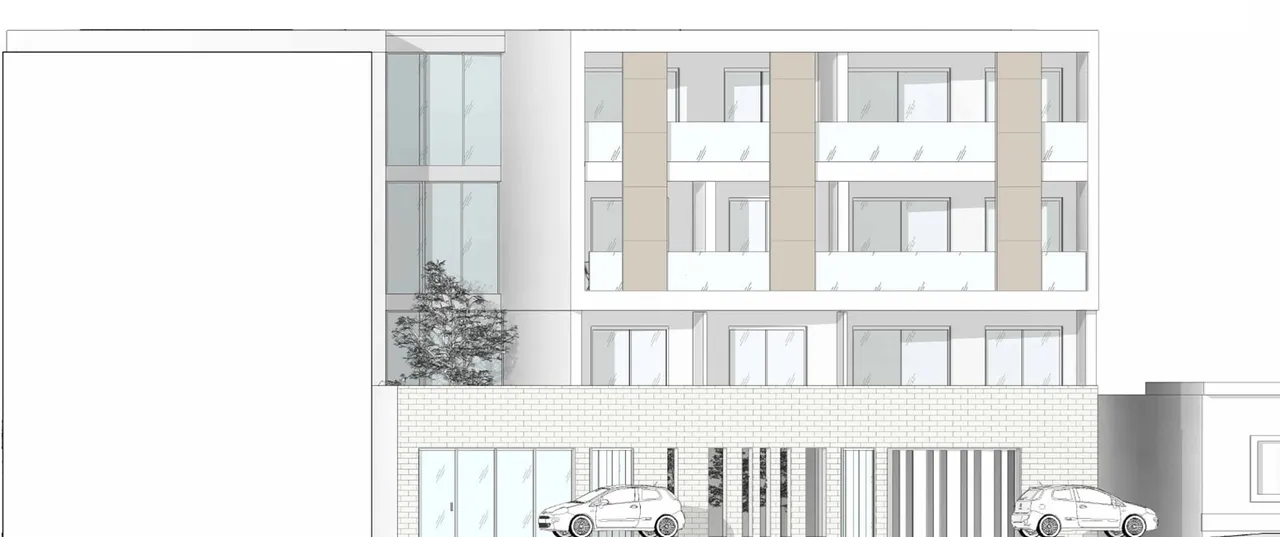
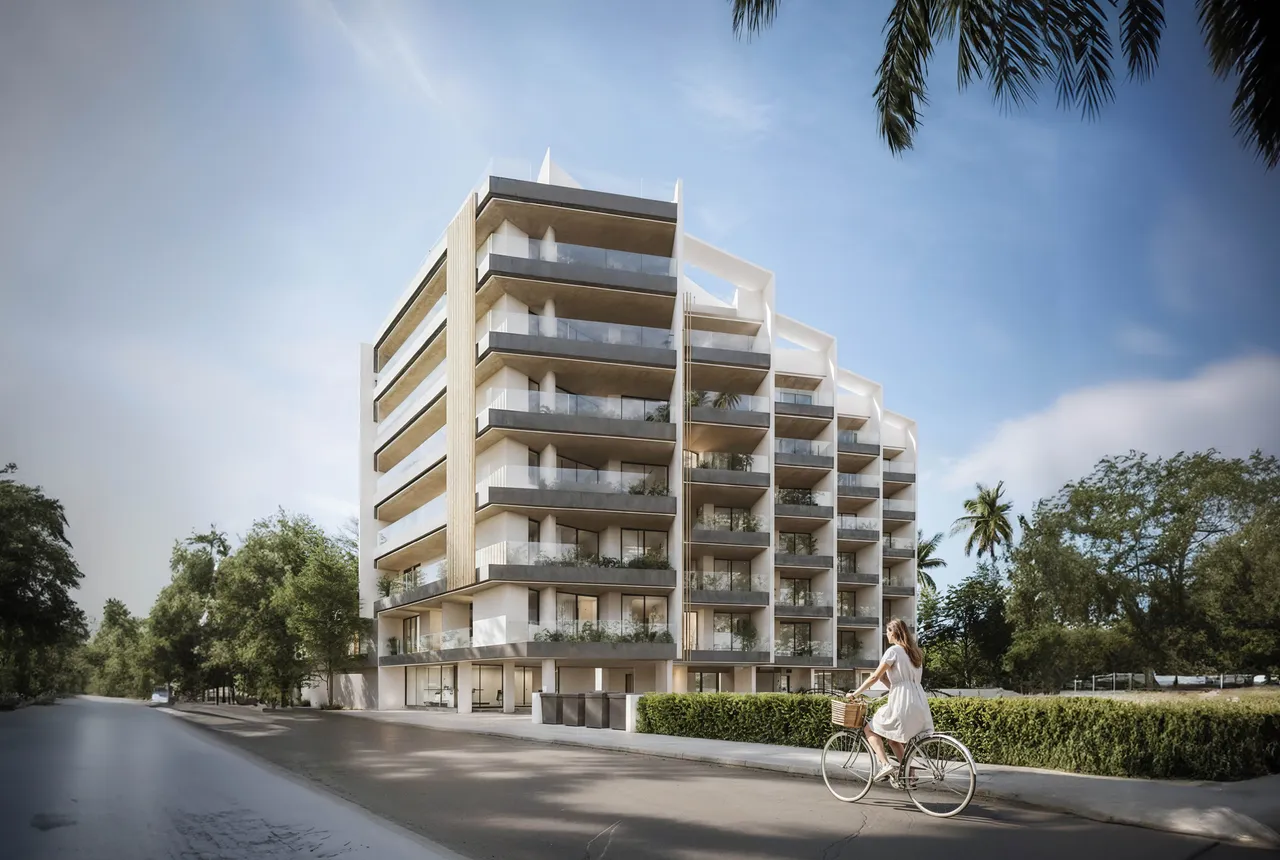
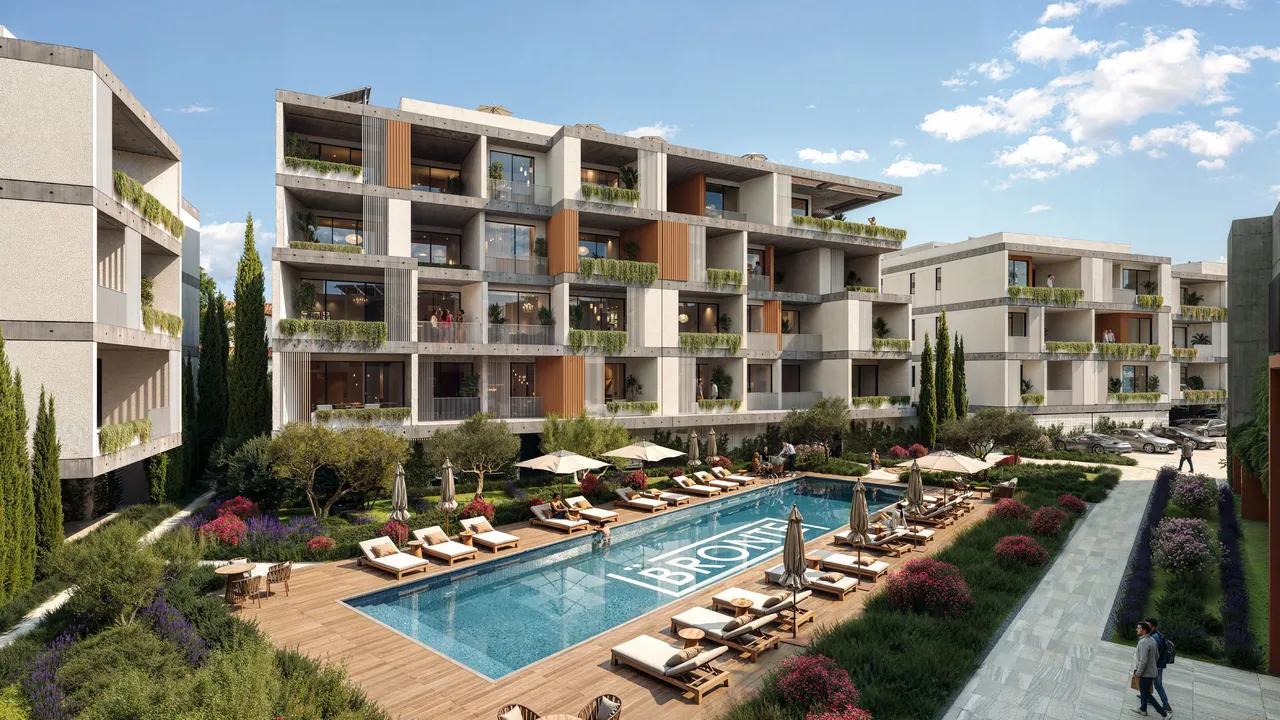
New-build villas and apartments in Troodos, Tala and Lefkara villages: seven projects
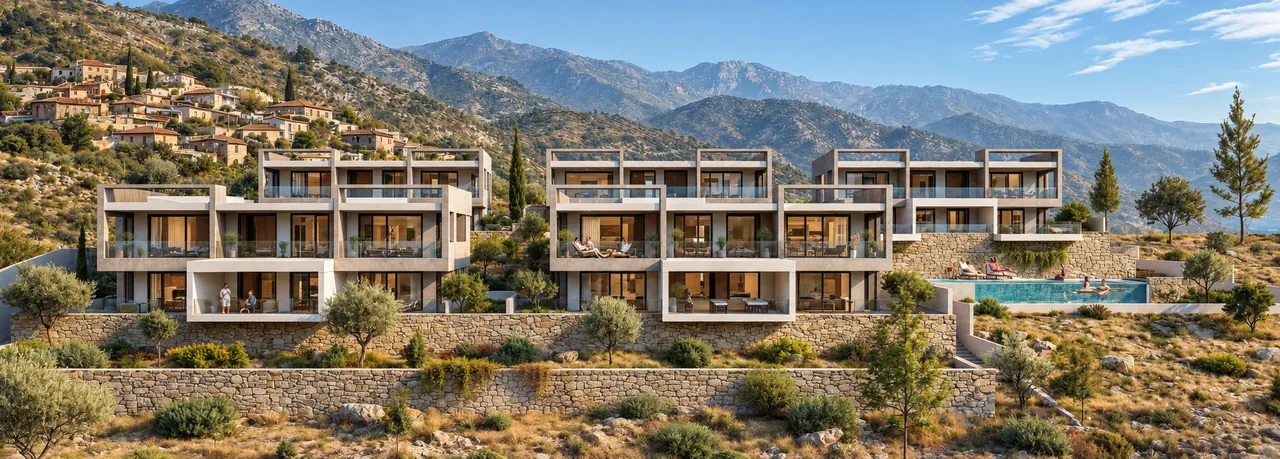 Apartment
Plus 85
Larnaca · Lefkara
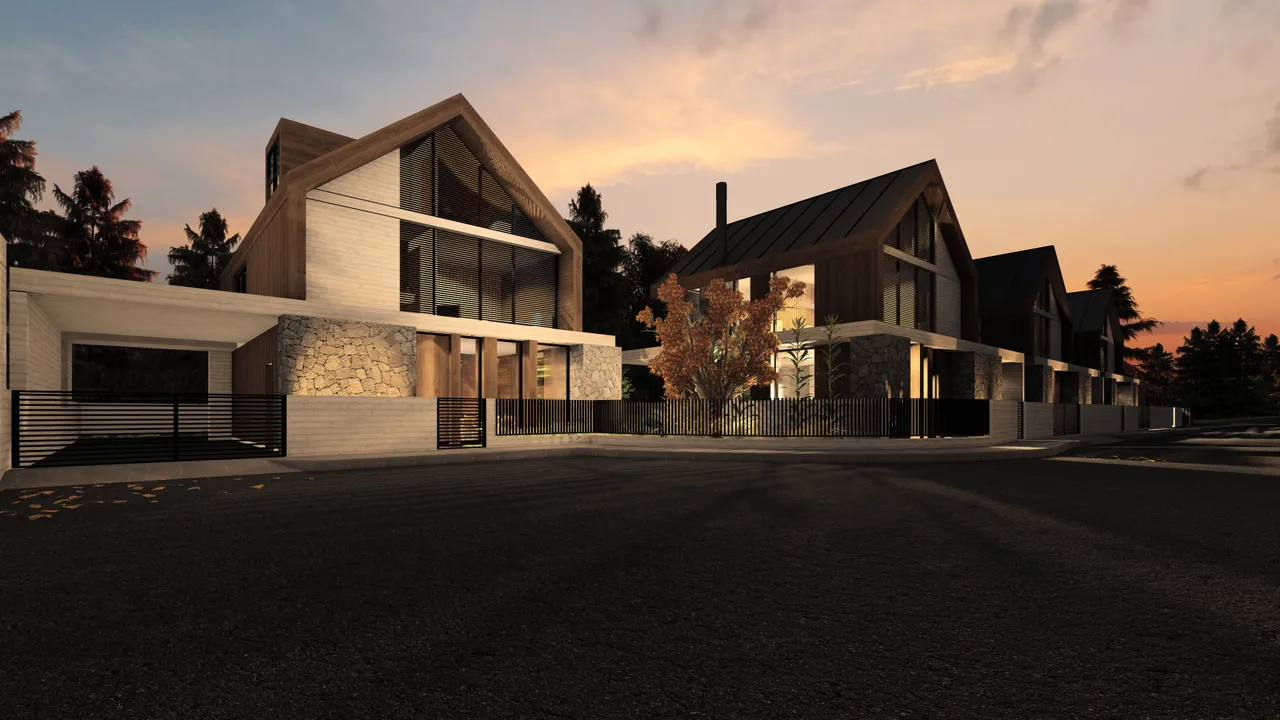
Greenwood Platres
Limassol · Platres
 Apartment · Villa
Blackpine
Limassol · Troodos · Prodromos
 Studio · Apartment · Villa · Townhouse · Duplex
Berengaria
Limassol · Troodos · Prodromos

Montes
Paphos · Tala
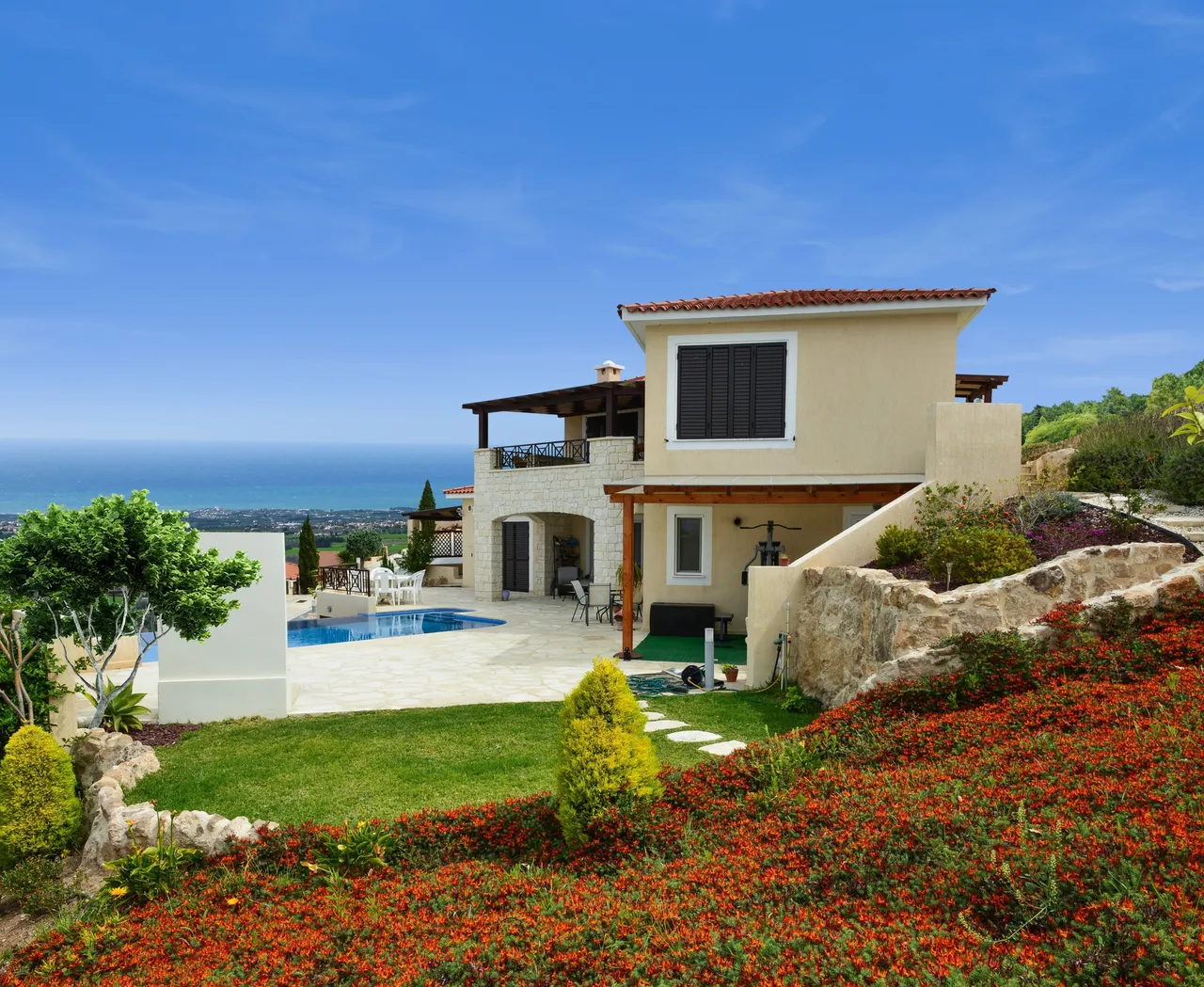 Villa
Perneri
Paphos · Tala
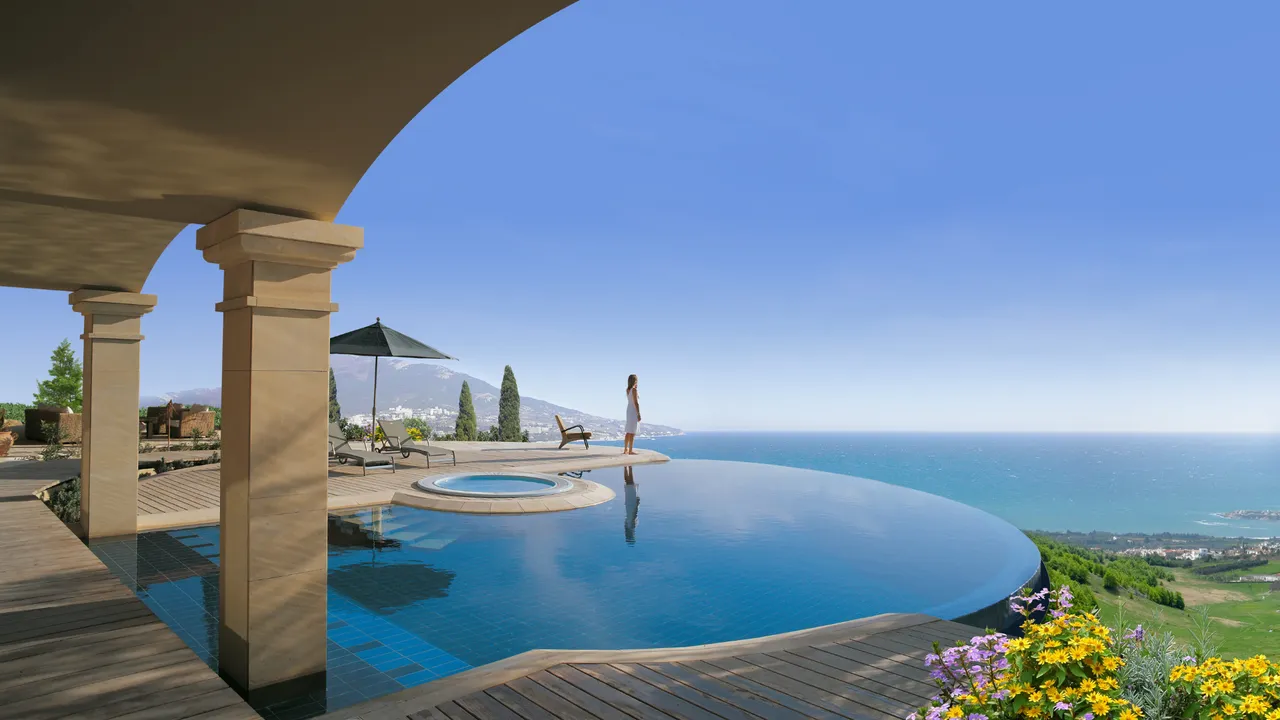
Zelemenos Village
Paphos · Tala
€2,900 after the 50% reduction (statutory €5,800), with no VAT because it is a resale. A lawyer at 1% plus VAT costs €1,785, and about €300 of Land Registry charges brings the acquisition cost to €154,985.
No. The grant covers only buildings with a Conservation Order under Article 38 of the planning law. An unlisted house pays its own restoration, which on the example is €153,000 for 90 m².
€100,000, which includes 50% of the designer's fee up to €4,000. A 300 m² house at the €1,700 per m² ceiling has a recognised cost of €510,000, and 50% of it is €255,000, so the €100,000 limit applies.
No. It is the ceiling on the cost that the state recognises for buildings up to 300 m², set by decree 148/2026 from 20 March 2026 (it was €1,400). The actual cost is the contractor's quote.
Yes, under section 19 of the Listed Buildings Law, if you complete the maintenance works within eight years and present the Minister's certificate. On a €150,000 purchase that is €2,900.
Each holds an undivided share. A sale of one share to an outsider is registered only after the other registered co-owners have had their chance to buy at the same price (60 days for the seller's proof, 30 days to deposit), so the safe route is to buy when all three sign.
Yes. The District Administration grants it on form COMM 145, free of charge in two to three weeks, for a plot of up to 4,000 m² for an owner-occupied home or for up to two units. A bill that would ban purchases in rural zones was still in committee on 22 October 2026.
In Platres the three available villas in our database are priced at €575,000 to €715,000, and in Prodromos the 12 available villas at €1,030,000 to €4,350,000. They are new houses and do not compare directly with an old stone house.
Sources, all read on 9 November 2026. Town Planning and Housing Department (gov.cy/moi-tph): Cabinet decrees KDP 378/2022 (Official Gazette no. 5742 of 23 September 2022) and KDP 148/2026 (Gazette no. 6009 of 20 March 2026), the Cultural Heritage service page, the Local Plan and planning-zone publication list. Listed Buildings Law 240(I)/2002 and Antiquities Law Cap. 31 (CyLaw, consolidated), Immovable Property (Tenure, Registration and Valuation) Law Cap. 224 (CyLaw, consolidated). Ministry of Interior: Purchasing Property page under Cap. 109. Electricity Authority of Cyprus: connections page. Cyprus Mail: 2 November 2022 (listed-building incentives), 11 March 2026 (Technical Chamber and the Ministry's reforms), 27 February, 19 March and 22 October 2026 (bill on foreign purchases), 20 August 2025 (Ministry statements to Parliament). Interreg Europe good-practice page on listed-building incentives. Our guides on the cost of buying property, title deeds, inheritance and gift tax, and internet and mobile; developer asking prices from our own database as of 9 November 2026. Not confirmed on any official page: resale prices of old village houses, the VAT rate on restoration works, a rule on structural surveys at purchase, the water supply procedure in villages, and a general building coefficient for village zones; the €150,000 price and the €153,000 restoration quote are assumptions. This guide is general information and not legal or tax advice; a licensed lawyer should confirm your own position. Cyprus VIP Estates assists investors in choosing new developments; legal and immigration advice comes from licensed professionals.