
Guides/Buying guides
Buying Property in Cyprus from South Africa in 2027: Permit, the R2 Million and R10 Million Allowances, SARS and Tax on a Sale

A South African can buy property in Cyprus, but as a non-EU buyer needs Council of Ministers permission, which the buyer's lawyer files after the contract is signed, and has to move the rand through South Africa's exchange controls first. SARS says a resident may send R2 million a year offshore under the single discretionary allowance without a tax compliance status PIN, so R4 million for a couple, and a further R10 million a year under the foreign investment allowance, which needs the PIN. A €260,000 new-build at 19% VAT costs about €312,994 with fees, which is R6,259,880 at an illustrative R20 to the euro: R4 million goes through the discretionary allowances of a couple and the other R2.26 million needs the investment allowance. On a sale South Africa taxes the gain at a maximum effective 18%, Cyprus taxes it at 20%, and the foreign tax is credited against the South African tax. This guide takes the purchase in order, from the allowances to the sale, using SARS, the Cyprus rules in our guides and the Cyprus–South Africa agreement (read on 6 November 2026).
Buying property in Cyprus as a South African: the permit and the order of steps
EU citizens buy in Cyprus on the same terms as Cypriots. A South African does not: the Acquisition of Immovable Property (Aliens) Law, Cap. 109, requires non-EU buyers to obtain permission from the Council of Ministers. Your lawyer prepares the application on Form COMM 145 once the contract is signed, there is no government fee, and the authorities look for a clean criminal record, proof that you can support yourself and proof that the purchase money comes from abroad. It can take from a few weeks to several months, which is why it is filed at once. Published guidance gives the permit as covering one house or apartment per family, or a plot of up to 4,014 m² for building a home. A bill before parliament in 2026 proposed new limits on what foreigners may acquire, and we could not confirm its outcome, so ask your lawyer what applies on the day you buy.
| Step | What happens | Who acts |
|---|---|---|
| 1 | Choose an independent lawyer, not one introduced by the seller | You |
| 2 | Reserve the unit; the reservation agreement sets the deposit and whether it is refundable | You and the seller |
| 3 | Due diligence: title, planning permits, encumbrances, the Land Registry search certificate dated within five working days of signing | Lawyer |
| 4 | Request the SARS tax compliance status PIN if the transfers will exceed the discretionary allowance | You |
| 5 | Sign the sale contract, in person or under a power of attorney | You or your attorney |
| 6 | Lodge the contract at the Land Registry (€50); the legal deadline is six months, there is no reason to wait | Lawyer |
| 7 | Council of Ministers permit applied for | Lawyer |
| 8 | Balance paid and the title transferred, or the new-build handed over | You and the seller |
The full sequence, with the costs of each step, is in how to buy property in Cyprus as a foreigner. On a new-build, lodging the contract is the step that protects you most, as our guide to off-plan deposits explains.
Sending rand to Cyprus: the R2 million and R10 million allowances
SARS's 2026 Budget guidance says the single discretionary allowance doubles from R1 million to R2 million per calendar year, and that residents can transfer up to R2 million offshore a year without a tax compliance status PIN (approved international transfer) from SARS. A married couple can therefore send R4 million between them. The foreign investment allowance, which does need the PIN, stays at R10 million a year. Ask your bank, the authorised dealer that makes the transfer, which allowance it books each payment under and which documents it wants for a property purchase; the contract of sale is the usual starting point.
A worked example for a new-build bought as a second home, with the rand figures at an illustrative R20 to the euro (chosen only for the arithmetic, so check the live rate). VAT is 19% because the home is not your main residence; the legal fee is planned at 1% plus VAT, and the Land Registry charges at €500.
| Item | Euros | Rand at R20 |
|---|---|---|
| Price of the apartment | €260,000 | R5,200,000 |
| VAT at 19% | €49,400 | R988,000 |
| Legal fee, 1% plus 19% VAT on the fee | €3,094 | R61,880 |
| Land Registry charges (planning figure) | €500 | R10,000 |
| Total cash needed | €312,994 | R6,259,880 |
A couple's discretionary allowances cover R4,000,000 of the R6,259,880 (R2,000,000 each) without a PIN. The remaining R2,259,880 goes through the investment allowance, which needs the tax compliance status PIN, so they should request it before the contract is signed and the money is due. At R22 to the euro the same total is R6,885,868 and the part above the PIN-free R4,000,000 grows to R2,885,868. A new-build is paid in instalments as construction proceeds, each converted at the rate of its own day, and the discretionary allowance is counted per calendar year, so instalments that fall in two calendar years can draw on two allowances. A resale pays transfer fees instead of VAT; the cost of buying property in Cyprus and the VAT guide work through both.
The permit application and the Cypriot bank will both ask where the money came from, usually with bank statements and the sale or savings that produced it; transferring money to Cyprus lists the documents. Send from an account in your own name, and our bank account guide shows what a Cyprus account asks of a foreign resident.
Financing a Cyprus purchase from South Africa
Most Cypriot banks lend to residents. For a non-EU buyer who lives abroad the market is a short list of lenders, with loan-to-value of about 60% to 70%, which means 30% to 40% or more of the price in cash, as our guide to mortgages for foreigners sets out. A euro loan against rand income carries the exchange rate for the whole term, and the rand has moved a great deal against the euro, so size it to survive a move rather than to the bank's maximum. If the purchase is meant to qualify for Category 6.2, the €300,000 has to be foreign money and cannot be financed from a Cyprus mortgage.
What a South African declares to SARS after buying in Cyprus
A South African resident is taxed on a worldwide basis, so the Cyprus home belongs on the return. The ITR12 for individuals asks about foreign income and about the disposal of foreign capital assets, and a yes adds the foreign sections; SARS asks taxpayers to keep supporting documents for five years from the date of submission, because it may request them. We found no South African tax on merely owning a foreign home, but the transfers have to be declared in the way your authorised dealer and the PIN process require. Keep the contract, the transfer records and the exchange rates on each payment date, because they set the cost of the asset when you sell.
Selling a Cyprus property: how the gain is taxed in both countries
Cyprus charges capital gains tax of 20% on the gain from selling Cypriot property, and it does so whether or not the owner lives in Cyprus. The gain is the sale price less the purchase price and costs, both adjusted for inflation, and since 1 January 2026 the total gain from all your sales is tax-free up to €30,000 (or up to €150,000 on a main residence you have occupied for at least five years), as our selling guide sets out.
South Africa taxes the same sale in rand. SARS's capital gains page gives the individual rate as a 40% inclusion in taxable income, which is a maximum effective rate of 18%, with an annual exclusion of R50,000 on the gain or loss (it was R40,000 before the 2026 Budget) and a primary-residence exclusion of R3,000,000 of gain. Law-firm commentary on the 1997 Cyprus–South Africa agreement, in force since 8 December 1998 and amended by a protocol in 2015, reads its immovable-property rule in the usual way: Cyprus may tax a gain on Cyprus property. We could not open the treaty's Article on gains to check the wording, so have your adviser confirm it. The ITR12 guide says relief is available under section 6quat for foreign taxes on foreign-source income that is included in taxable income, and the credit is limited to the South African tax on that income.
A worked example with illustrative rates and the top marginal rate. You buy a resale apartment for €200,000 when the euro is R19, a cost of R3,800,000, and sell it for €280,000 when the euro is R21, which is R5,880,000. In euros the gain is €80,000, a 40% rise. In rand it is R2,080,000, a 55% rise, because the euro also rose. After the R50,000 annual exclusion R2,030,000 is left; 40% of that, R812,000, is added to taxable income, and at the top marginal rate of 45% the South African tax is R365,400, which is the 18% maximum effective rate. Cyprus tax at 20% of €80,000 is €16,000, or R336,000 at R21, before inflation adjustment and any exemption, both of which would lower it. If the full credit is allowed, R29,400 is left to pay in South Africa.
If the home is your primary residence, SARS's R3,000,000 exclusion could remove the South African tax entirely, but the Cyprus tax of 20% would remain unless a Cyprus exemption applies, since there would be no South African tax against which to credit it. We found nothing in the SARS text that limits the exclusion to homes in South Africa, and nothing that confirms it for a foreign home, so ask a South African tax practitioner before counting on it.
Does buying give you the right to live in Cyprus?
No. Ownership does not give residence, and Cyprus is not in the Schengen area, so no Cyprus status gives Schengen travel rights. South Africa is on the Cyprus Ministry of Foreign Affairs list of countries whose nationals need a visa, so even a viewing trip needs one; the Cyprus embassy publishes the fee and decision time. The route that follows a purchase is Category 6.2: a first-sale new-build of at least €300,000 plus VAT, income from abroad of at least €50,000 (plus €15,000 for a spouse and €10,000 per child), and a visit at least once every two years. The pink slip and Category F suit those who do not buy. The choice between them, and the SARS exit rules, are in moving to Cyprus from South Africa and the Category 6.2 guide.
Closing a Cyprus purchase from South Africa without travelling
Almost every step can be done from home: reservation, due diligence, signing under a power of attorney, lodging the contract and the permit application. The power of attorney is executed before a notary and apostilled, which takes one to two weeks, and your lawyer will confirm the office that issues the apostille. The power of attorney belongs with your own independent lawyer, never with anyone on the seller's side. What you should not delegate is the final inspection before the last payment; buying property in Cyprus remotely has the detail.
Buying property in Cyprus from South Africa: the dates
| Date | What it triggers |
|---|---|
| Months before the first large payment | Request the SARS tax compliance status PIN if the year's transfers will exceed R2 million per person |
| Day the contract is signed | Permit application filed by the lawyer; the six-month period to lodge the contract starts |
| Within six months of signing | Contract lodged at the Land Registry (€50); later lodging raises transfer fees by 10% |
| Weeks to months after signing | Council of Ministers permit granted |
| Tax return for the year of the purchase | Foreign asset and transfers declared on the ITR12 |
| Tax return for the year of a later sale | Capital gains tax in South Africa, with the Cyprus tax credited under section 6quat |
A couple who sign on 1 March 2027 have the contract lodged by 1 September 2027 at the latest. If the instalments fall in 2027 and 2028, each calendar year has its own R2 million per person.
Apartments for South African buyers in Limassol, Paphos and Larnaca: nine projects
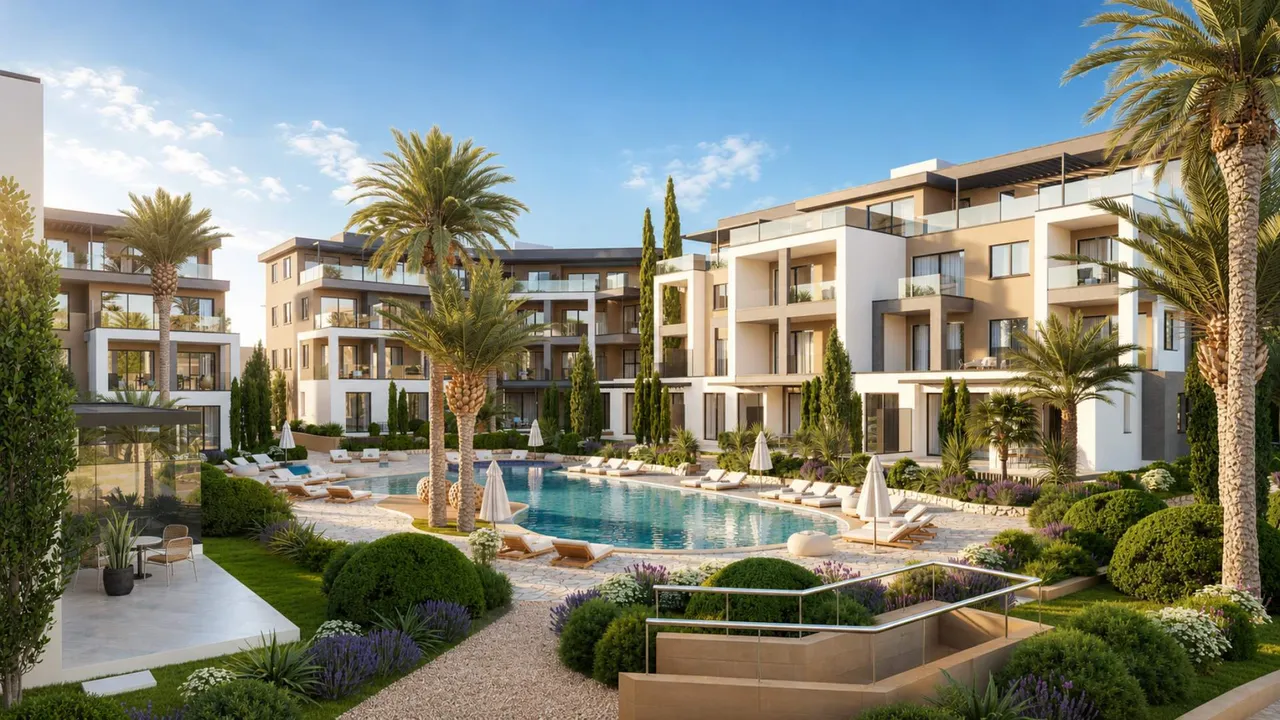 Apartment · Commercial
Bel Air Gardens
Paphos · Geroskipou
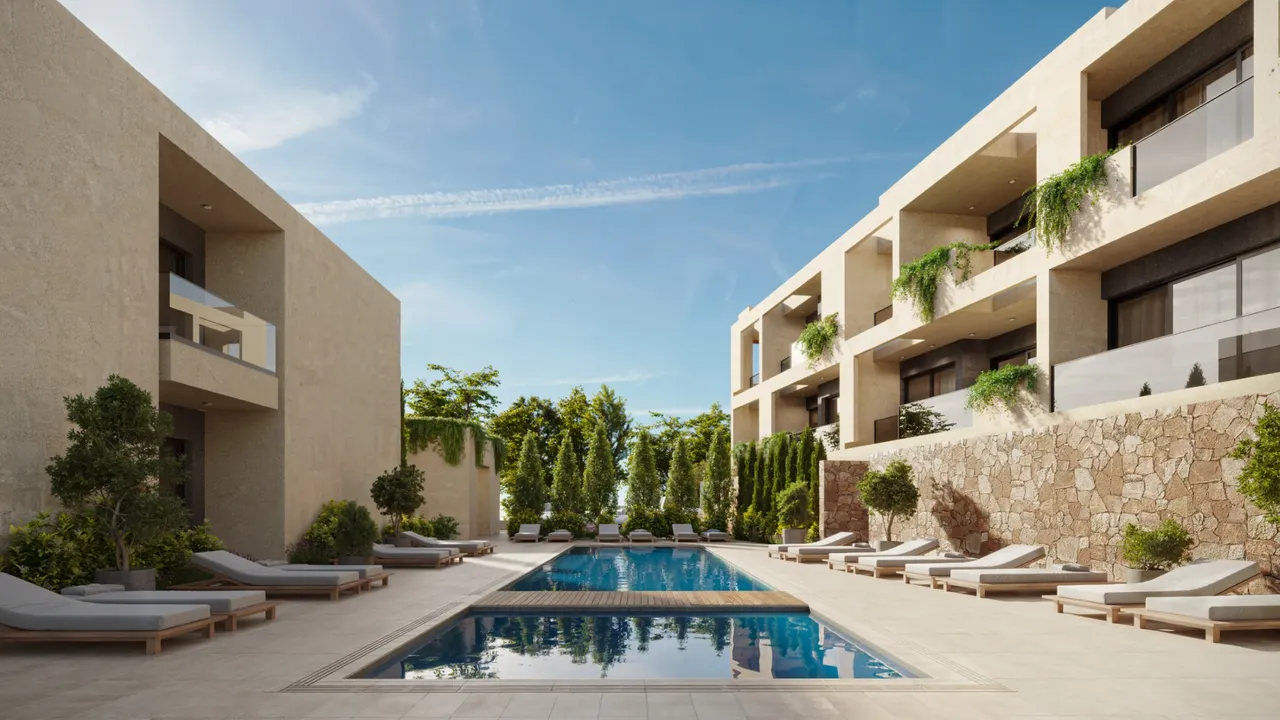 Apartment
Avalon Park
Paphos · Empa
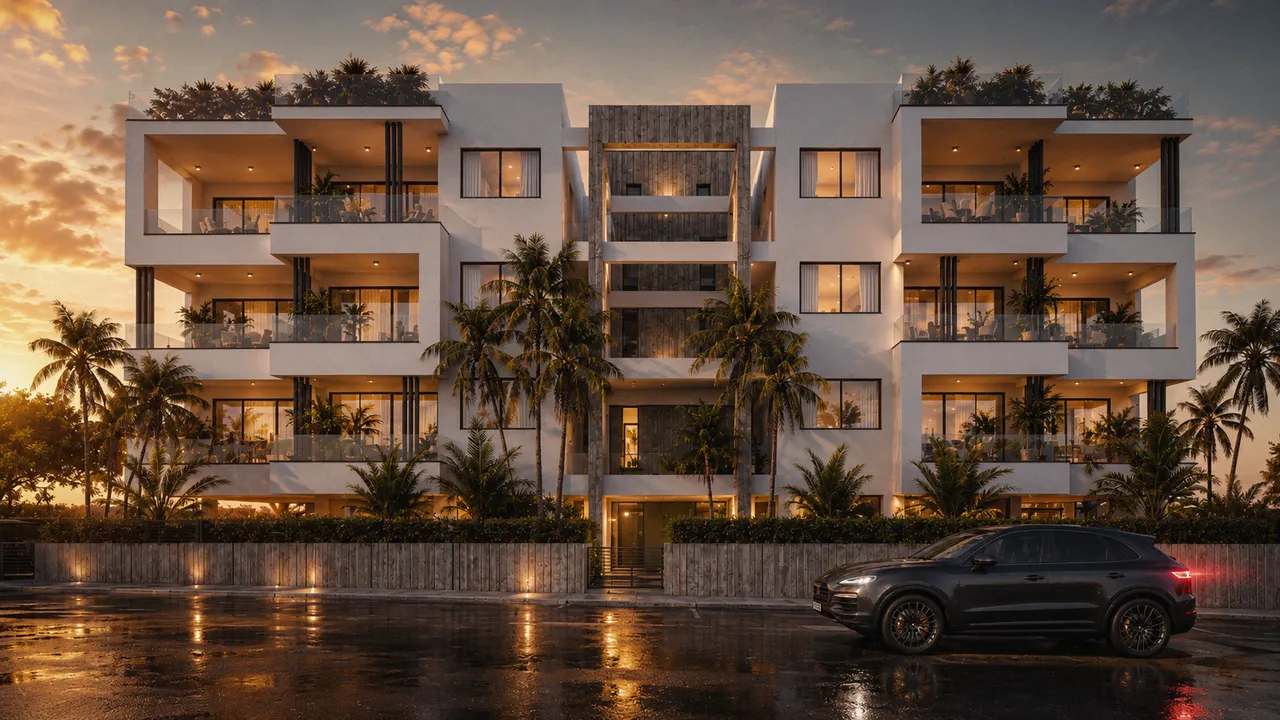 Apartment · Penthouse
Coast View Residence
Paphos · Geroskipou
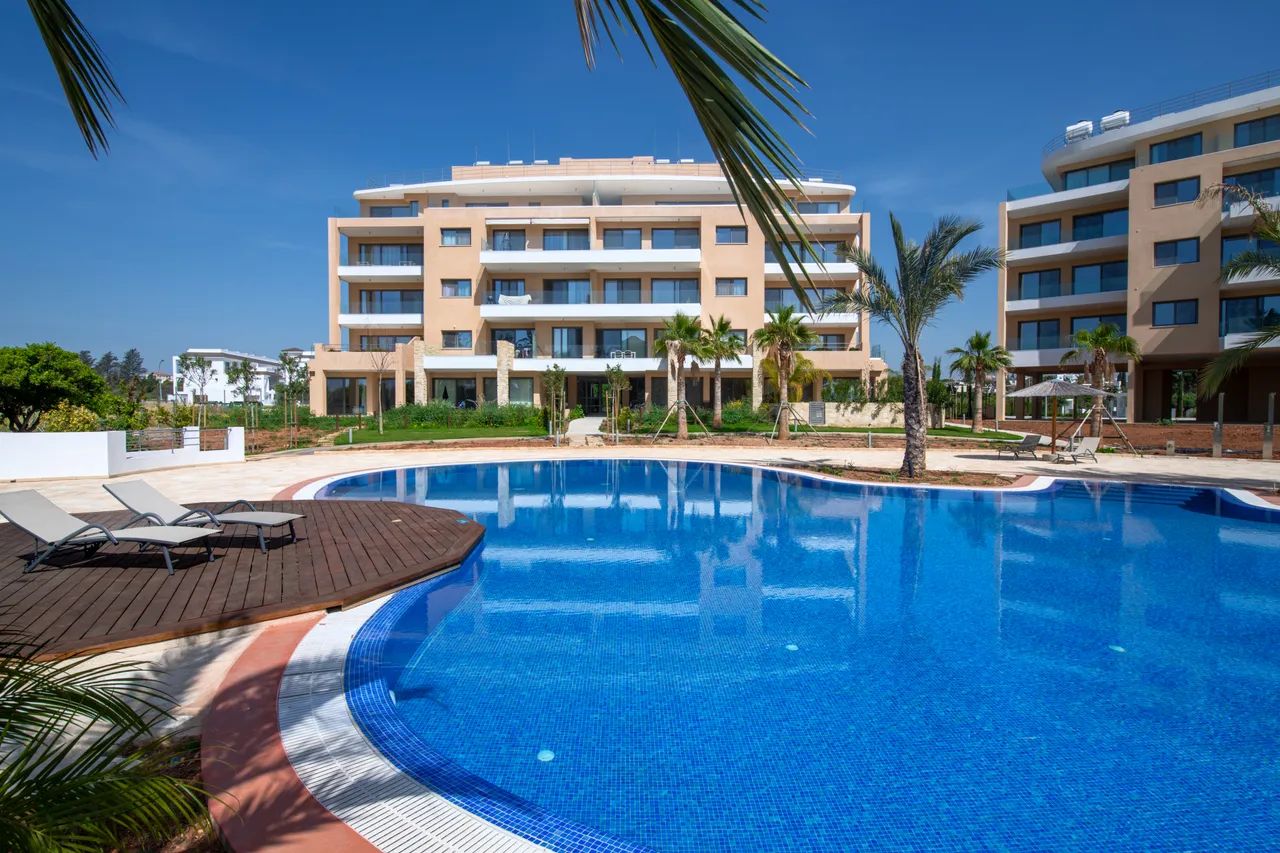 Apartment
Limassol Park
Limassol · Trachoni
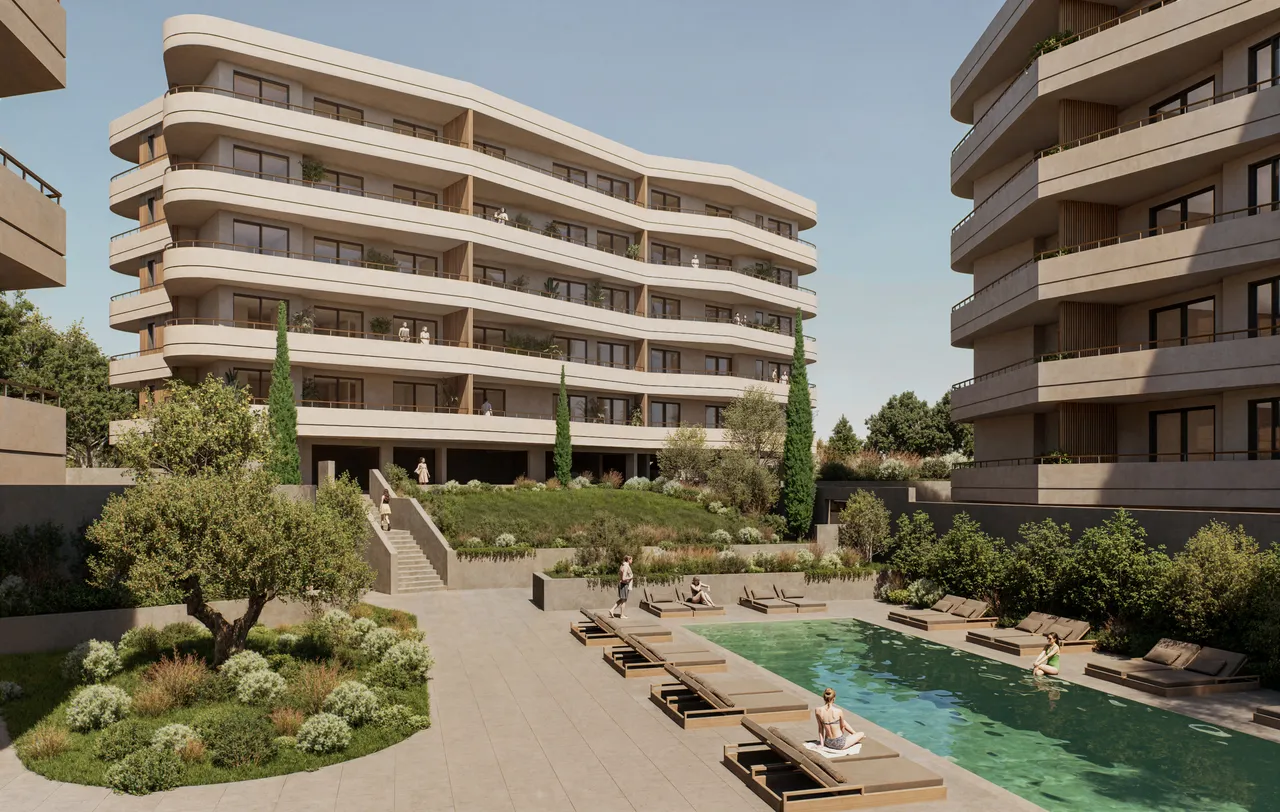 Apartment · Studio · Penthouse
Nest
Limassol · Germasogeia Village
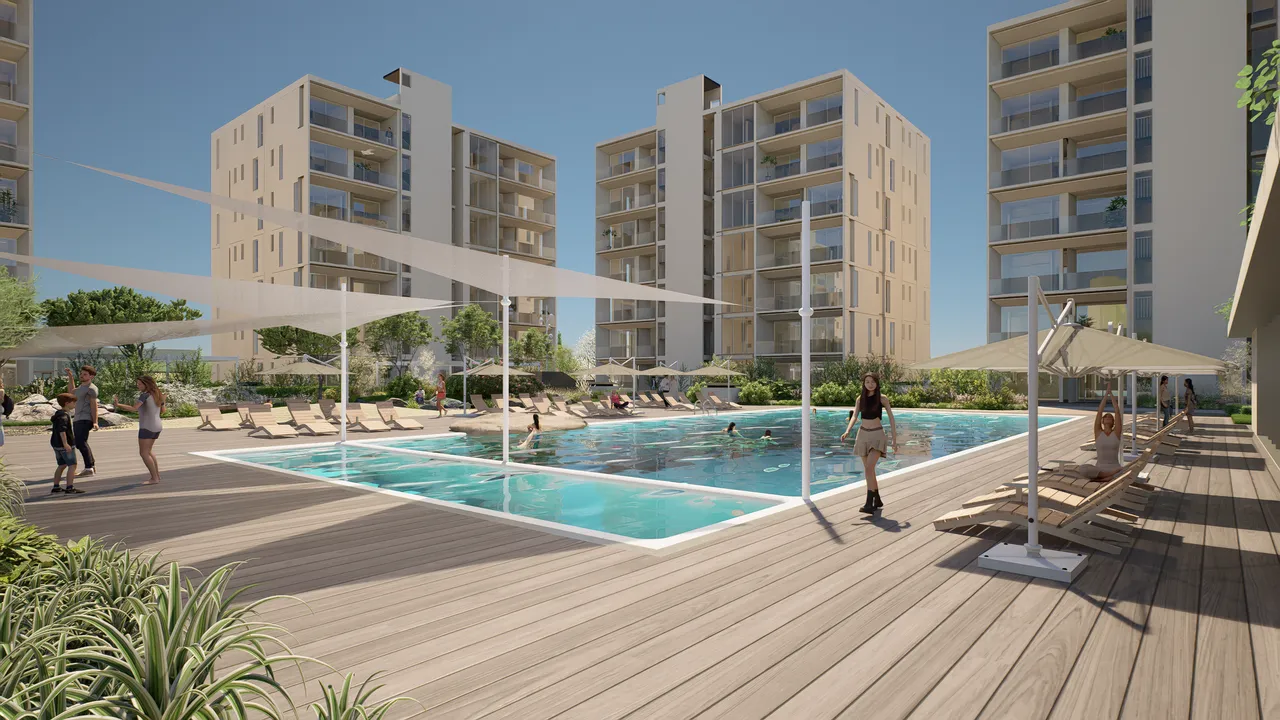 Apartment · Penthouse
GAIA Residences
Limassol · Potamos Germasogeias
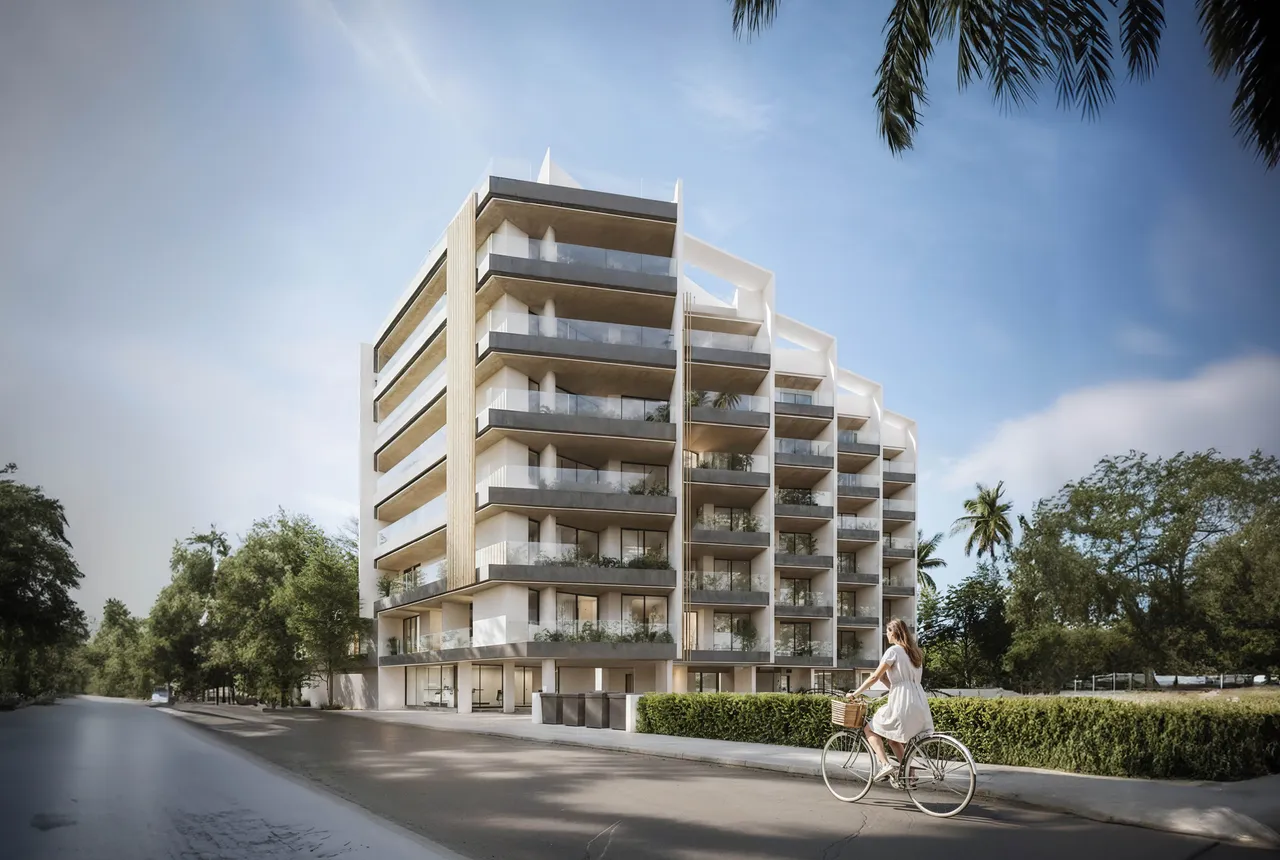 Studio · Apartment
Plus 82
Larnaca · Downtown
 Apartment
Plus 75
Larnaca · Kiti
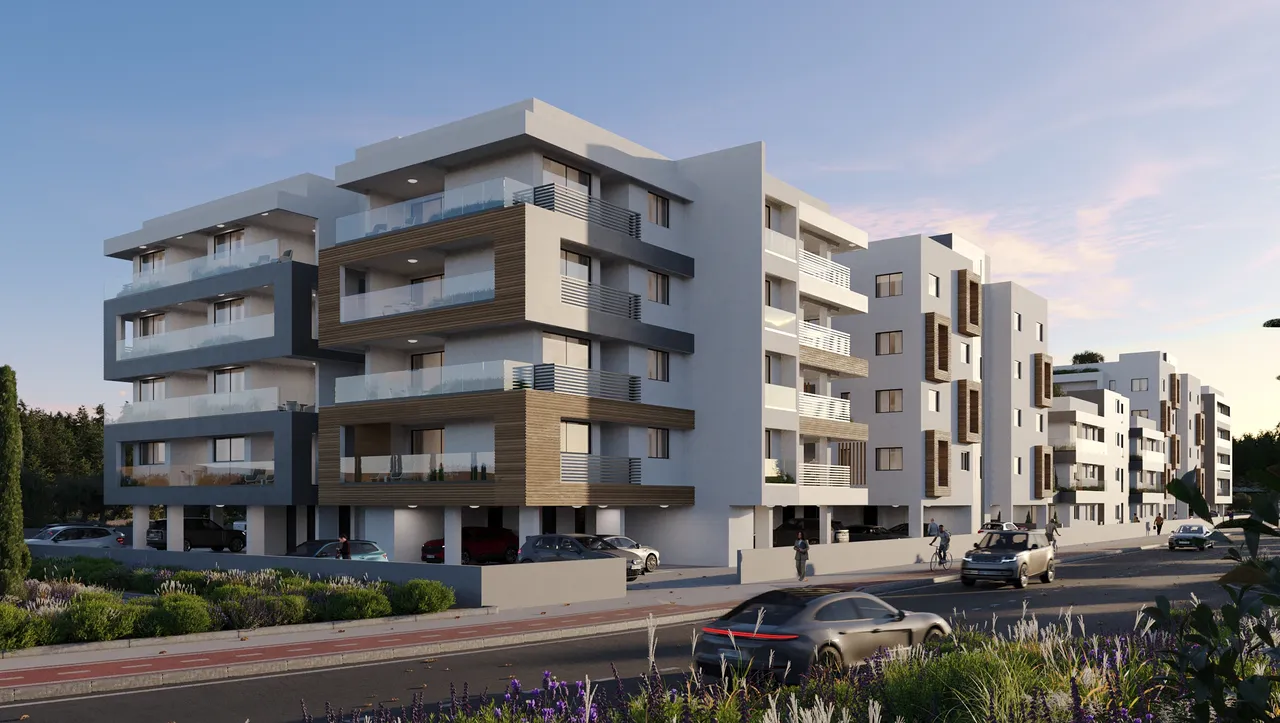 Apartment
Carisa Melora Park
Larnaca · Livadia
Buying property in Cyprus from South Africa: questions South Africans ask
Yes. A South African is a non-EU buyer and needs Council of Ministers permission under the Aliens Law, which the lawyer applies for after the contract is signed. There is no government fee, and the permit usually takes weeks to months.
SARS says R2 million per person a year under the single discretionary allowance, with no tax compliance status PIN, so R4 million for a couple. The investment allowance adds R10 million a year and needs the PIN.
About €312,994 with 19% VAT, a 1% legal fee and Land Registry charges, which is R6,259,880 at an illustrative R20 to the euro. A couple's discretionary allowances cover R4 million of it.
Yes. A South African resident is taxed on worldwide income and gains, and the ITR12 asks about foreign income and the disposal of foreign capital assets. Keep the purchase records for the cost basis.
Both countries. Cyprus charges 20% on the inflation-adjusted gain, with exemptions of €30,000 or up to €150,000 on a main residence. South Africa taxes 40% of the gain after the annual exclusion, at a maximum effective rate of 18%, and the Cyprus tax is credited under section 6quat.
Yes, from a short list of banks, at roughly 60% to 70% of the price for a non-EU non-resident. The €300,000 for Category 6.2 cannot be financed from a Cyprus mortgage.
Not by itself. Category 6.2 needs a first-sale new-build of at least €300,000 plus VAT and income from abroad of at least €50,000, and it is a separate application.
Sources, all read on 6 November 2026. SARS: Budget 2026 frequently asked questions (single discretionary allowance and investment allowance); capital gains tax (CGT) rates and exclusions; the guide to the ITR12 return for individuals; the treaty table for the Rest of the World. Elias Neocleous commentary on the Cyprus–South Africa agreement and its 2015 protocol. The Cyprus permit, tax and cost figures come from our guides on buying, costs, VAT, selling and mortgages, and the exchange rates in the examples are illustrative. This guide is general information and not tax or exchange-control advice; a South African tax practitioner and your authorised dealer should confirm the transfer steps, the credit and the treaty reading. Cyprus VIP Estates assists investors in choosing new developments; legal and immigration advice comes from licensed professionals.