Cyprus Insights/Buying Property in Cyprus
Cyprus Property Market in 2026: Over 10,000 Sales, Rising Prices and Strong Investment Demand

The Cyprus property market entered new territory in the first half of 2026. Between January and June, 10,007 property sale contracts were deposited with the district offices of the Department of Lands and Surveys. This was 14.6% more than during the same period of 2025 and the first time the market had exceeded 10,000 contracts within the opening six months of a year.
June delivered the strongest monthly result of the period. A total of 1,964 contracts were recorded, representing annual growth of 27% and the highest figure ever registered in Cyprus for the month of June.
The increase was not concentrated in a single district. Property sales rose across the island, while Limassol, Paphos and Larnaca continued to attract substantial interest from international buyers. Limassol led the country by total sales volume and declared transaction value, while Paphos recorded the fastest annual growth and the highest number of contracts involving foreign buyers.
Residential property prices also continued to increase. Apartments recorded considerably stronger annual price growth than houses, reflecting demand for modern, manageable properties in the island’s principal urban and coastal locations.
These figures point to an active and increasingly competitive market. However, headline growth does not mean that every property or location offers the same investment potential. Buyers still need to examine the district, development, construction stage, purchase costs and intended use of a property before making a decision.
Cyprus property market 2026: key figures at a glance
The first-half results show growth in both the number and value of property transactions.
| Market indicator | January–June 2026 result |
|---|---|
| Sale contracts deposited | 10,007 |
| Annual increase in contracts | 14.6% |
| Sale contracts deposited in June | 1,964 |
| Annual increase in June | 27% |
| Declared value of completed transfers | €2.23 billion |
| Contracts involving foreign buyers | 4,151 |
| Annual apartment price growth in Q1 | 10.8% |
| Annual house price growth in Q1 | 3.0% |
| Overall annual residential price growth in Q1 | 7.5% |
A deposited sale contract and a completed property transfer are not the same measurement. Contract statistics show agreements lodged with the Department of Lands and Surveys, whereas transfer figures relate to transactions that have progressed to the formal transfer of ownership. For that reason, the number of contracts and the value of completed transfers should be interpreted as complementary indicators rather than a single dataset.
Cyprus property sales exceeded 10,000 contracts in six months
Property sales remained above their corresponding 2025 levels during every month of the first half of 2026.
| Month | Annual change |
|---|---|
| January | +11% |
| February | +12% |
| March | +18% |
| April | +15% |
| May | +5% |
| June | +27% |
The monthly figures show that the record result was not created by one isolated surge. Growth continued throughout the six-month period, although its pace varied. May produced the smallest annual increase, at 5%, before activity accelerated sharply in June.
The market finished the first half with 10,007 contracts, compared with 8,729 during the same period of 2025. This broad rise suggests that demand is being supported by several buyer groups and property segments rather than by one narrow category of transactions.
Local buyers remain important to the market, especially in Nicosia and other primarily residential areas. At the same time, foreign demand has a much greater influence in coastal districts such as Paphos, Limassol and Larnaca.
Why is the Cyprus property market growing in 2026?
There is no single explanation for the record level of activity. The current Cyprus real estate market is being shaped by a combination of domestic demand, international mobility, limited supply in desirable areas, new development activity and continued access to housing finance.
Strong demand from foreign property buyers
International buyers signed contracts for 4,151 properties during the first six months of 2026. Around two-thirds of these purchases involved buyers from outside the European Union.
Paphos recorded 1,401 contracts involving foreign buyers, the highest figure among all districts. Limassol followed with 1,196, while Larnaca recorded 997.
Based on completed transfers, foreign buyers accounted for 20.4% of property purchases across Cyprus. Their influence was substantially stronger in Paphos, where the share reached 41.2%, compared with 9.1% in Nicosia.
This difference illustrates how varied the Cyprus property market is. Nicosia is driven mainly by domestic housing and employment demand, whereas the coastal districts attract buyers seeking permanent residences, holiday homes, relocation options and investment properties.
Demand is concentrated in coastal cities
Paphos, Limassol and Larnaca combine residential demand with tourism, international business and lifestyle appeal. Each city serves a different buyer profile.
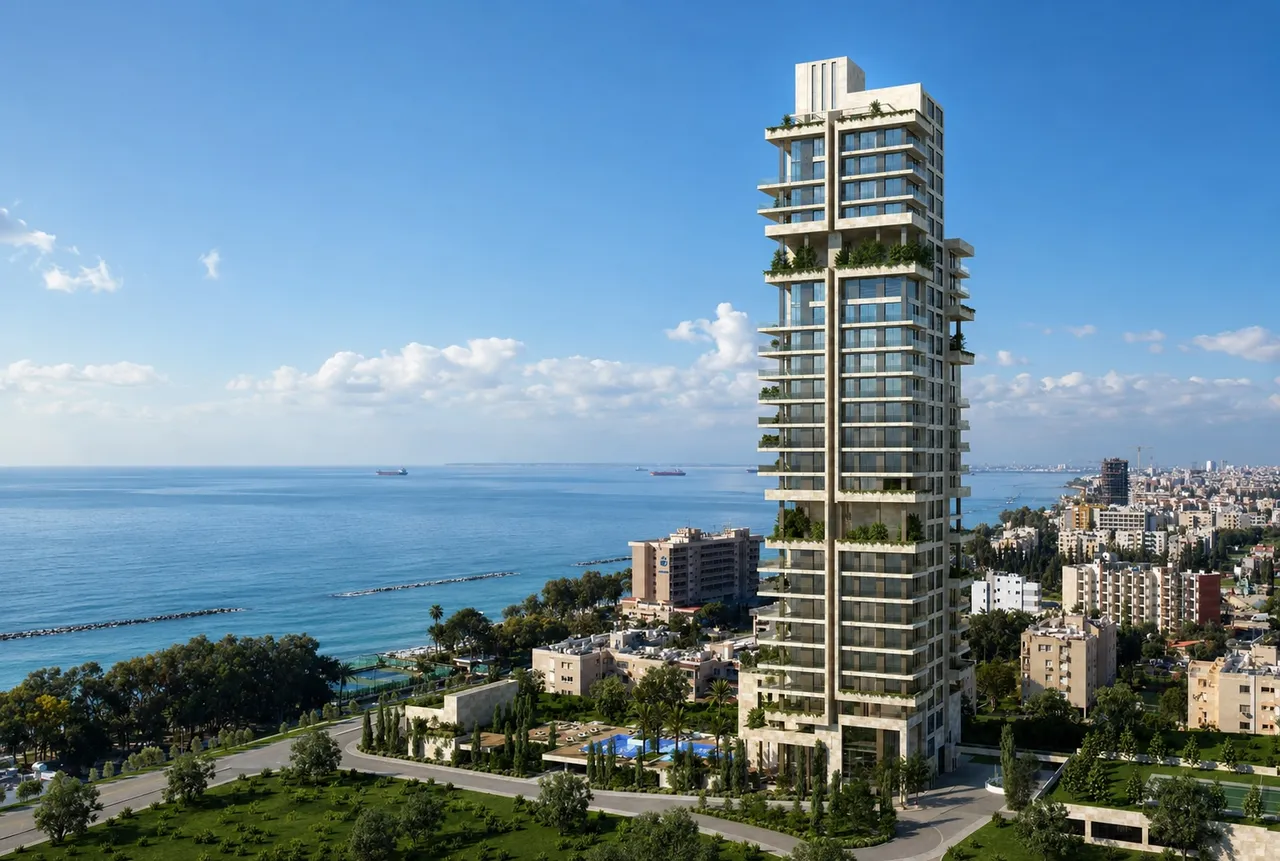
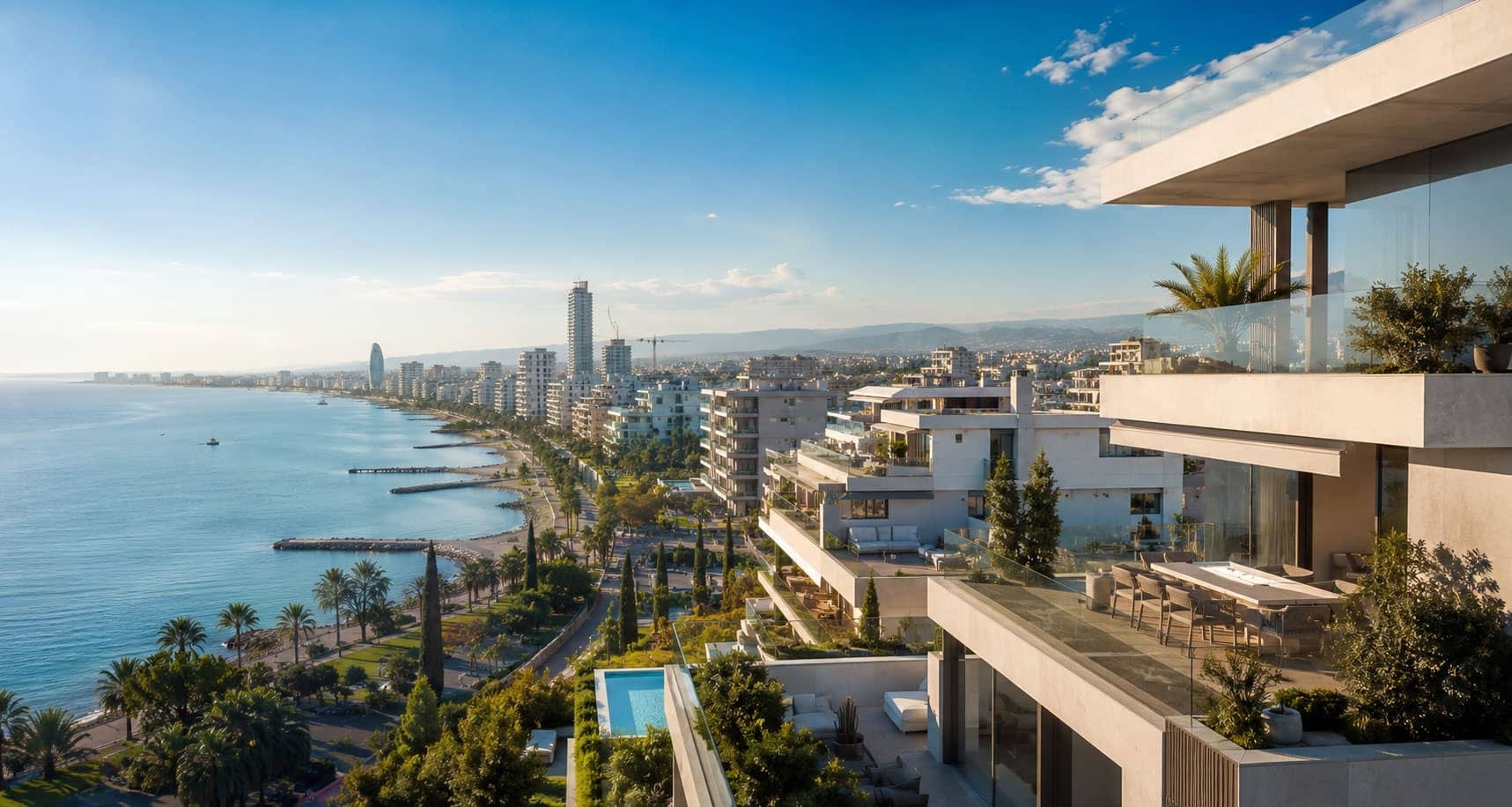
Limassol is the island’s principal business and financial centre. It attracts professionals, companies and buyers looking for premium apartments or villas in a highly international environment.
Paphos has a strong second-home and relocation market. It offers coastal communities, established residential areas and a broad selection of apartments, villas and resort-style developments.
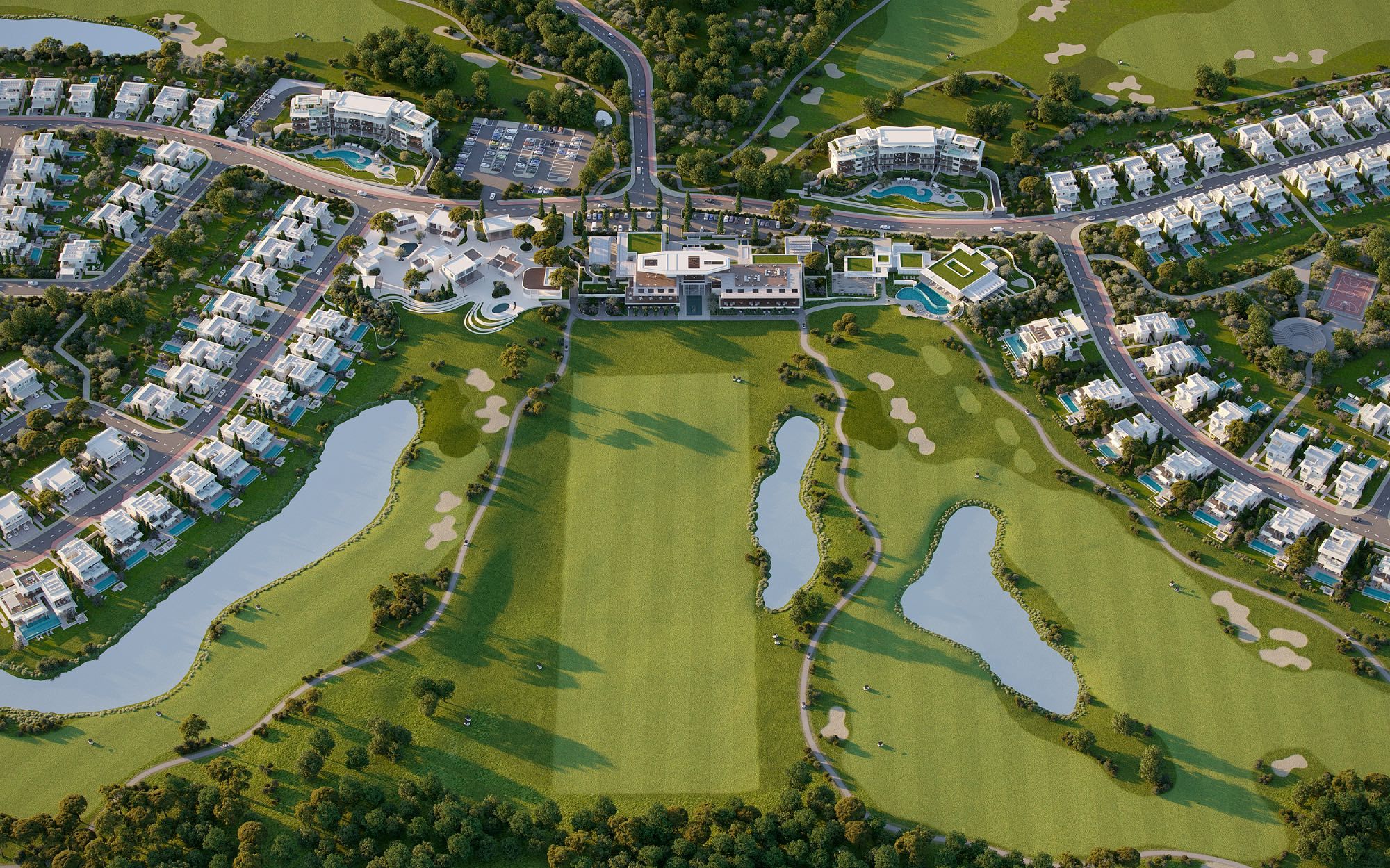
Developments such as Olympus Village reflect this mix.
Larnaca is attracting increasing attention because it combines an international airport, coastal regeneration and prices that are generally more accessible than those found in central Limassol.
These differences matter when comparing property investment opportunities in Cyprus. A property that suits a long-term tenant in Limassol may not meet the needs of a holiday-home buyer in Paphos or an investor seeking earlier-stage growth in Larnaca.
Limited supply in desirable locations
Cyprus continues to produce new residential developments, but land in established coastal neighbourhoods is finite. Planning restrictions, construction timelines and the availability of suitable plots limit how quickly new supply can respond to demand.
This is especially relevant to sea-view properties, homes within walking distance of the coast and developments close to business districts, international schools or established resort infrastructure.
As a result, well-positioned properties may attract interest before construction has been completed. In some off-plan developments, the most desirable units are reserved during the early sales stages, particularly when the project has a strong location, an established developer and a competitive initial price.
Limited supply alone does not guarantee capital appreciation. The quality of the development, contractual terms, surrounding infrastructure and future competing supply remain essential parts of any assessment.
New-build and off-plan properties meet international demand
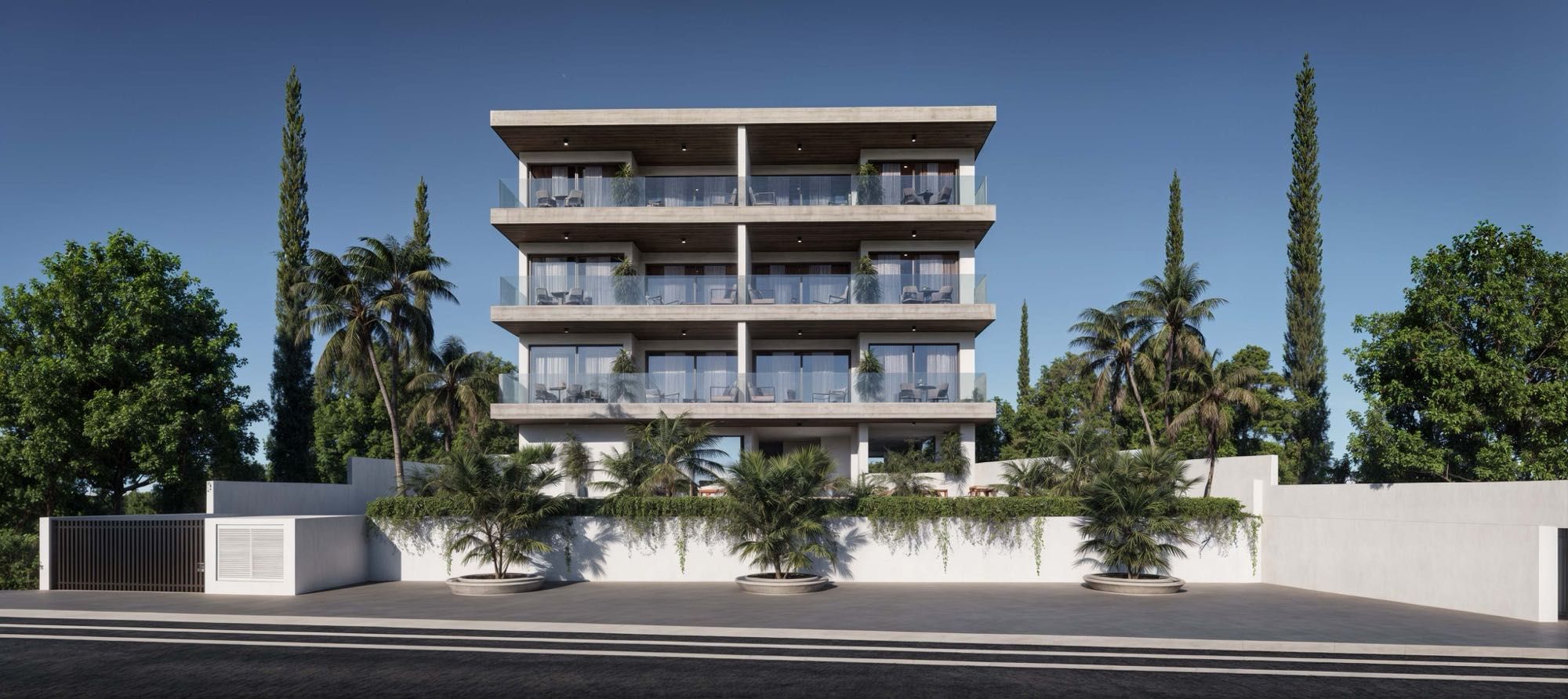
New-build property in Cyprus is particularly relevant to international buyers who prefer modern layouts, improved energy performance and limited immediate maintenance.
Contemporary projects may include communal swimming pools, landscaped areas, controlled access, parking, storage, roof terraces or on-site facilities. The exact specification varies considerably between developments, so buyers should compare what is included in the purchase price and what will create ongoing communal expenses.
Off-plan property can also allow buyers to choose from a wider range of units and, in some cases, spread payments across construction milestones. It also introduces construction, delivery and contractual risks that should be examined before signing a reservation or sale agreement.
Independent legal review, verification of the developer and project, confirmation of planning and building permissions, and a clear understanding of payment conditions remain important parts of the purchasing process.
Cyprus continues to attract relocation and lifestyle buyers
Property demand is not driven exclusively by investors. Cyprus attracts people planning to relocate, establish a second residence or spend part of the year on the island.
The combination of an established international community, English widely used in business, direct flight connections, coastal living and access to schools and services supports demand beyond the short holiday season.
This helps create a broader market for homes that can serve several purposes: personal use, long-term residence, seasonal occupation or rental. Nevertheless, buyers should not assume that every location provides equal year-round rental demand or the same prospects for resale.
Mortgage activity continues to support domestic demand
Housing finance remains another component of market activity. New housing lending reached approximately €2 billion in 2025, representing an increase of 36.4% from the previous year. The average mortgage interest rate stood at about 3.06% in February 2026.
The structure of borrowing has also changed. Variable-rate loans represented approximately 12% of new housing lending, compared with more than 90% in 2022. This indicates a considerable shift towards fixed or more predictable borrowing arrangements.
Mortgage conditions available to an individual buyer depend on residency, income, credit profile, deposit size and the property itself. International purchasers should therefore obtain financing information based on their own circumstances rather than treating an average market rate as a guaranteed offer.
What the record sales figures mean for property buyers
The first-half statistics confirm that buyers are operating in an active market, particularly in the principal coastal districts. Greater activity can produce more development and a wider range of projects, but it can also increase competition for the best-located units.
For prospective buyers, the data has several practical implications:
- desirable units may be reserved before a development is completed;prices can
- differ substantially between districts and neighbourhoods;apartments and
- houses are following different price trends;foreign demand has a stronger
- effect in Paphos, Limassol and Larnaca than in Nicosia;
- a record national market does not make every individual property a sound investment.
The decision should begin with the intended purpose of the purchase. A buyer seeking a permanent home will assess schools, healthcare, daily services and year-round neighbourhood activity differently from an investor focused on rental demand or potential resale value.
Cyprus VIP Estates brings together new developments from different property developers across Paphos, Limassol and Larnaca. Buyers can compare apartments, penthouses, townhouses and villas by location, budget, construction stage and intended use rather than being limited to the inventory of a single developer.
Purchasing a suitable property is sufficient to gain direct exposure to the Cyprus real estate market; it is not necessary to acquire an entire development or operate a property business. The important step is selecting an asset that matches the buyer’s objectives, available capital and acceptable level of risk.