

Cyprus Insights/Buying Property in Cyprus
Which Way Should a Cyprus Property Face? Orientation and Floor Level

If you are buying in Cyprus and you come from Britain, Germany or Poland, you almost certainly carry one instinct about which way a property should face: south is best. At home it is sound advice — south-facing rooms catch scarce sunlight and cut heating bills. Imported to Cyprus, that instinct is the wrong lesson, though not for the reason most people assume. The problem in Cyprus is not that south is bad. The problem is a different facade entirely, and most buyers never think to check it.
This guide sets out what orientation actually matters in a hot climate, why the real risk is the west rather than the south, and how floor level plays into heat, view and resale. Where the Cyprus-specific evidence is thin or the sources do not settle a point, it says so, because the honest version is more useful than a tidy one.
Why the south-facing rule you brought with you is the wrong lesson
In a cool northern climate, sunlight is a resource you want more of, so south-facing is the prize. In Cyprus, for much of the year, direct sun is a load you want to manage, not maximise. The instinct does not simply flip to "north is best" — that is an over-correction, and no serious Cyprus source actually says it. The truth is more specific and more useful.
South-facing is not the villain here. In summer the sun is high in the sky, so a modest overhang or balcony above a south window blocks most of the direct sun before it reaches the glass. In winter the sun sits low, slips under that same overhang, and warms the room when you want it. This is exactly why traditional Cypriot courtyard houses were deliberately built with their main living rooms facing south onto the courtyard — to capture the low winter sun. Well-shaded south glazing is good design in Cyprus, not a mistake.
So the lesson to unlearn is not "south is good, so seek it" and not "south is good elsewhere, so avoid it here." It is that south is fine when it is shaded, and the facade you should actually worry about is the one the northern rule never warns you about.
Why west-facing is the orientation that actually overheats
The real risk in Cyprus is unshaded west-facing glazing, and it is worth understanding why, because it is not obvious.
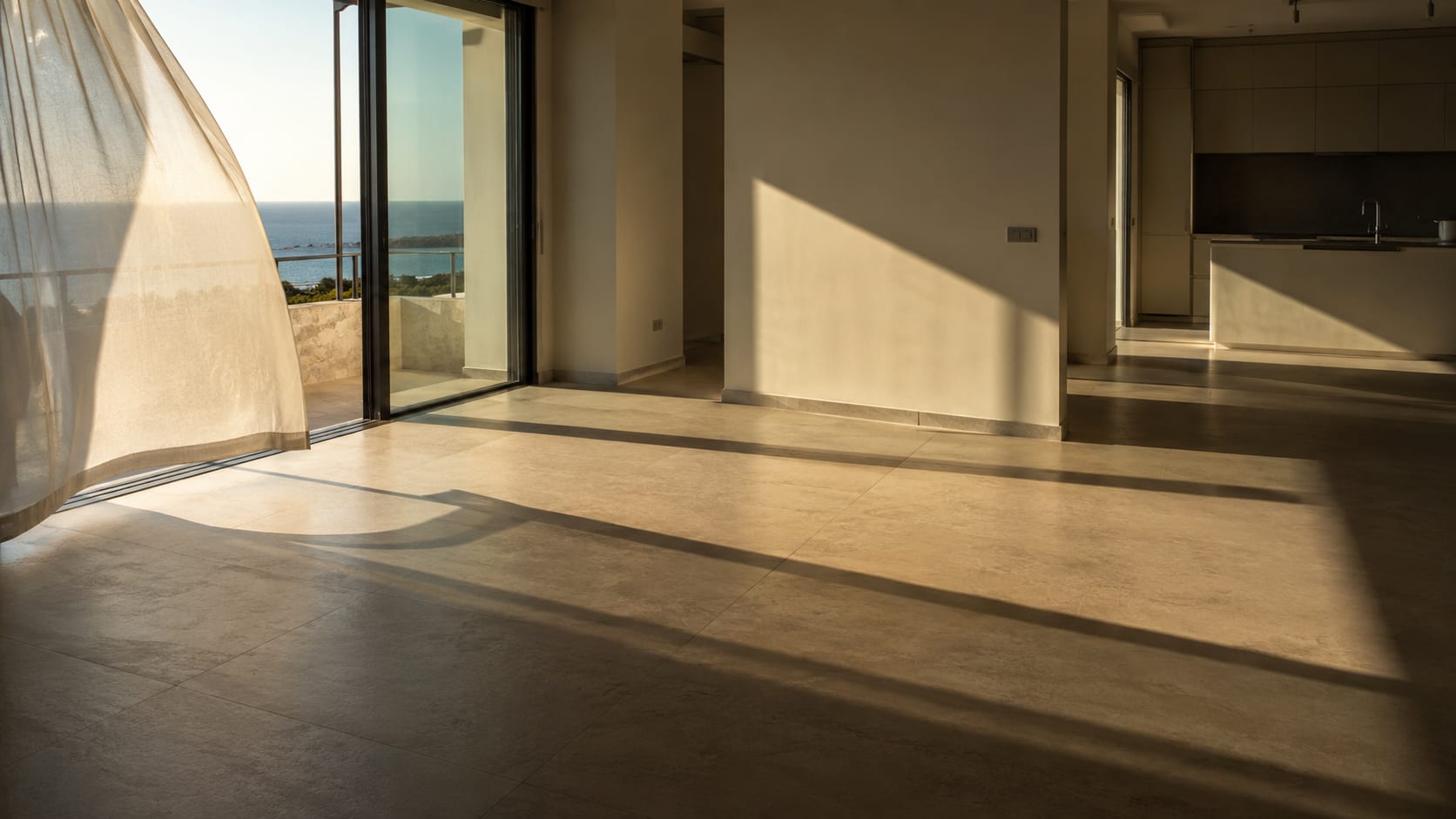
The heat problem is worst in the late afternoon of a long Cyprus summer, and that is precisely when the sun is in the west and low in the sky. A high midday sun is easy to block — a horizontal overhang casts a shadow straight down over the glass. A low afternoon sun comes in almost horizontally, under and around any horizontal shading, and strikes the window face-on during the hottest hours of the day. Standard overhangs, the kind that tame a south window, simply do not work against it.
The practical consequences are concrete. West-facing living rooms and, worse, west-facing bedrooms hold the day's heat into the evening, exactly when you want to relax or sleep. Air-conditioning runs hardest and longest to fight it. And the fix is more expensive than for any other aspect, because horizontal shading fails — you need vertical shading, external shutters, deep reveals or solar glazing rather than a simple balcony above.
If you take one thing from this article to a viewing, make it this: check what the west-facing rooms are, and what shades them. It is the single orientation question most buyers never ask and the one most likely to cost them in comfort and cooling bills.
East, north and the trade-offs between them
Between the two extremes, the choice is about when you want sun and how much, not about right and wrong.
East-facing rooms get morning sun and are cool by afternoon, which makes east a strong aspect for bedrooms — you wake to light and sleep in a room that has not baked all day. North-facing rooms get soft, indirect light and stay the coolest, with no direct-sun overheating; the trade-off is less brightness and no solar warmth in winter, which in a hot climate is often a fair price rather than a loss. There is no single best aspect for a whole property — the useful question is which rooms face which way. Ideally living spaces and bedrooms avoid unshaded west, bedrooms lean east, and any south glazing is properly shaded.
How much does orientation cost you on cooling bills
Here honesty matters more than a confident figure. Orientation clearly affects cooling load — a west-facing, poorly shaded flat costs more to keep comfortable than a north or east equivalent. But we are not going to attach a specific percentage to it, because the Cyprus-specific studies that would back a number are not something we could confirm, and a made-up figure on a decision this size is worse than none.
What can be said firmly: cooling is the dominant energy cost in a Cyprus home, orientation and shading are among the biggest levers on it, and the energy-performance rating of a property already bakes some of this in. Across the new-builds we list, the rated stock sits at A and B — a useful floor, but a rating is a whole-building average and does not tell you which bedroom faces the afternoon sun. Read the rating, then still check the aspect room by room.
On the formal side: Cyprus does operate an energy-performance certificate framework (the Performance of Buildings Energy Certification Regulations, in force since 2010). Whether and exactly how orientation feeds into the certificate's calculation we could not confirm from a primary source, so we flag it rather than assert a mechanism. Treat the EPC as a real and useful document, but not as a substitute for looking at which way the rooms face.
Does floor level matter when buying in Cyprus
More than you might expect. Roughly half the new-build market in Cyprus is apartments rather than villas, so for a large share of buyers floor level is a live question, not a high-rise niche. The trade-offs pull in different directions and there is no universally right floor.
Heat runs against the top. Top-floor and penthouse units take sun on the roof as well as the walls and hold heat the most, which is why market commentary from Limassol reports that middle floors tend to rent most easily — they avoid both the top-floor heat build-up and the ground-floor drawbacks. If you are buying to let, that rentability point is worth weighing.
View and price run with height. Higher floors command a premium where the view justifies it — reported at meaningful levels for floors high up in Limassol's towers — but that premium is view-driven, so it only holds if the view is real and protected from being built out.
Lower floors trade view for convenience and less heat exposure, at the cost of more noise, less privacy and, at ground level, security and overlooking considerations.
Two floor-level points specific to coastal towers are worth naming, with a caveat. Wind loading on tall seafront buildings is a genuine, engineering-documented factor in how they are designed and how they feel high up. On the other hand, claims about service charges rising by floor or lifts being less reliable in taller buildings are general logic rather than Cyprus-documented facts — reasonable to consider, but do not treat them as established here.
So which way should your Cyprus property face
Pulling it together into something you can use at a viewing:
Worry about west first. Unshaded west-facing living rooms and bedrooms are the orientation most likely to cost you in comfort and cooling, and the hardest to fix after purchase.
Do not reject south — check its shading. Shaded south is good design in this climate; unshaded south is manageable but ask what blocks the summer sun.
Lean bedrooms east if you can, for morning light and cool evenings, and treat north as a comfortable, cool choice rather than a compromise.
On floor, match it to your goal: middle floors for easy letting and balanced heat, higher for a genuine and protected view, lower for quiet and convenience.
And read every property room by room rather than by a single compass label — a home rarely faces one way, and the aspect that matters is the one your bedroom windows take on an August afternoon.
How we help
We are a marketing and consulting agency working directly with licensed Cypriot developers, selling at developer pricing — the price you see through us is the developer's own, with no agency commission or markup. On orientation specifically, that independence matters: we have no reason to talk you past a west-facing problem to close a sale. When we shortlist properties for you, we can flag the aspect and shading of the rooms that matter, arrange viewings timed to see the afternoon sun where it lands, and connect you with independent surveyors and lawyers who are not on the seller's side.
If you want a shortlist built with orientation and floor level actually taken into account rather than glossed over, send us your requirements and we will put one together.
Recommended properties
 Apartment · Villa · Townhouse
Limassol Greens
Limassol
 Apartment · Penthouse
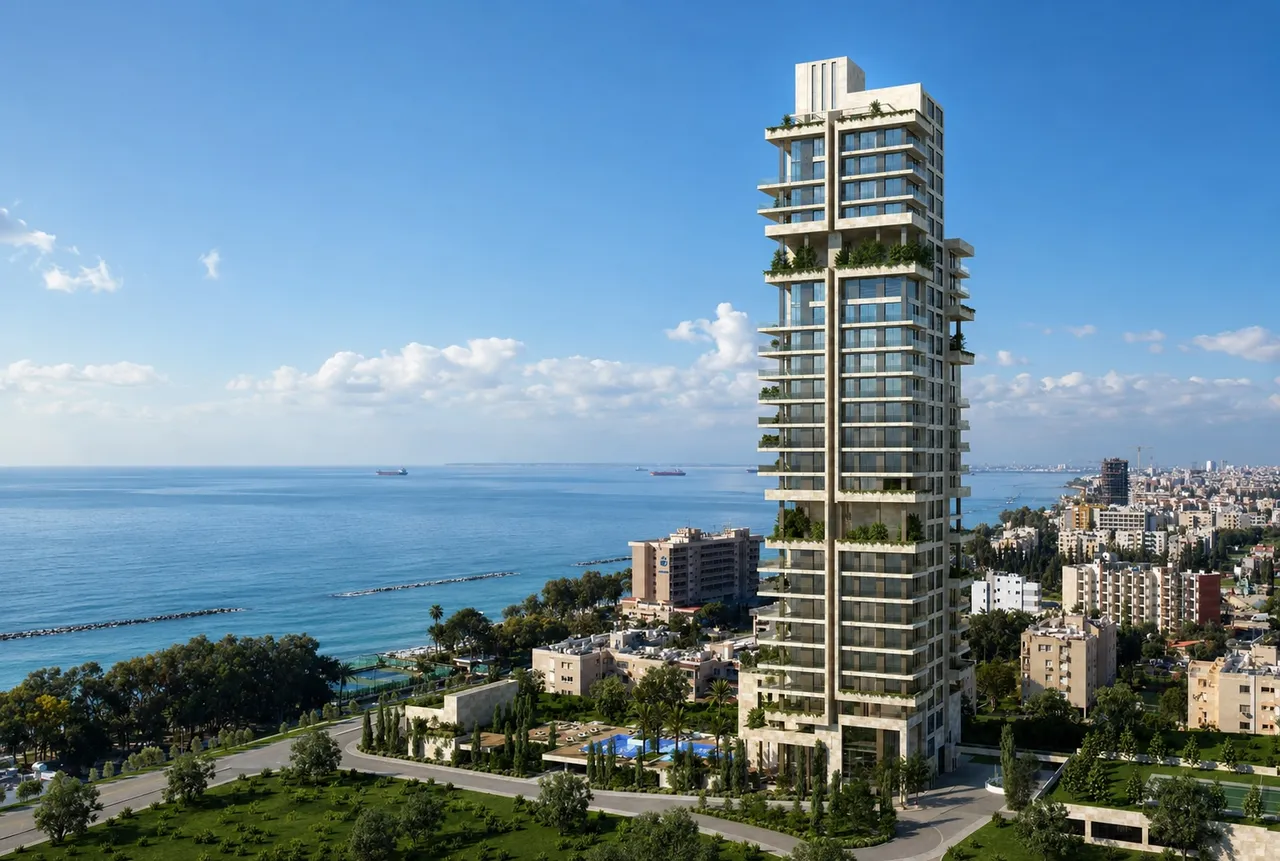
Dream Tower
Limassol · Agios Tychonas
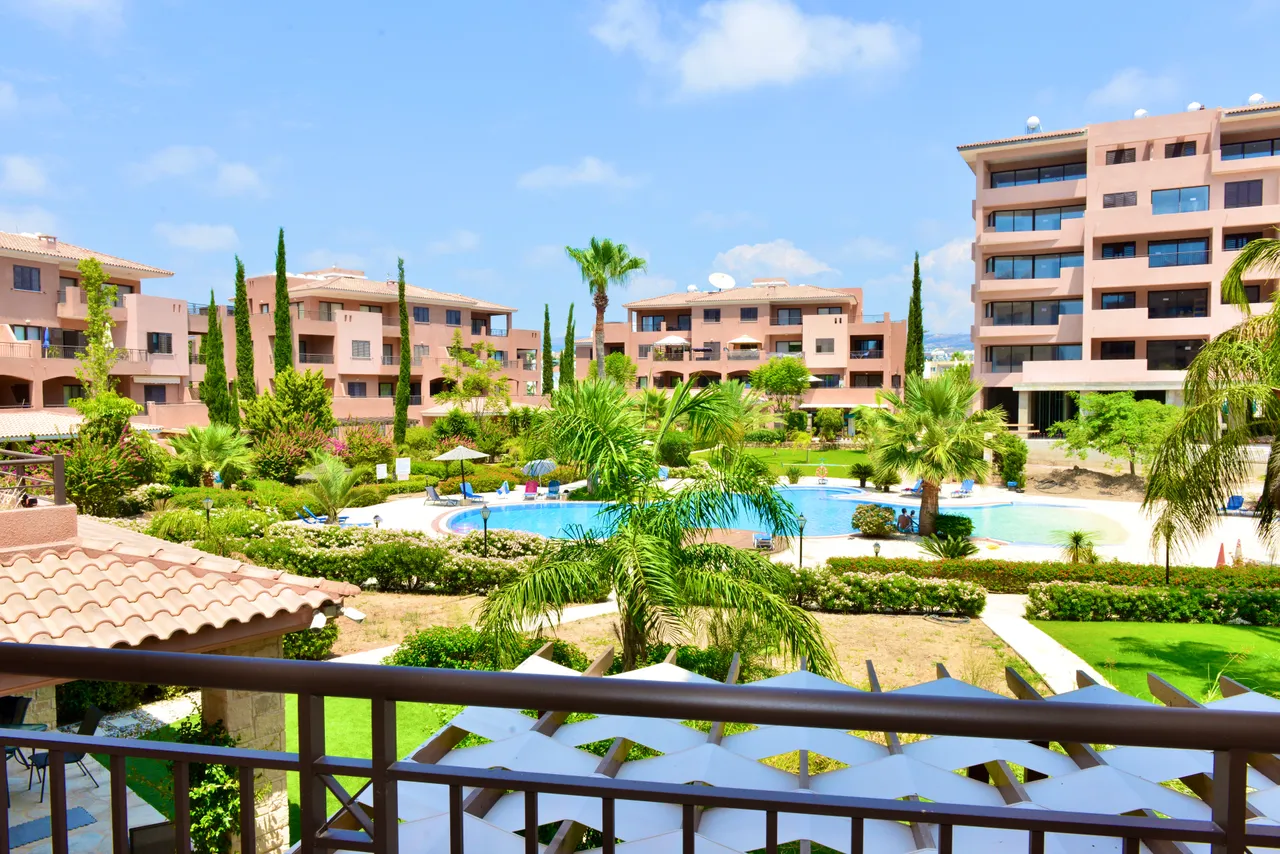
Aphrodite Gardens
Paphos · Kato Paphos
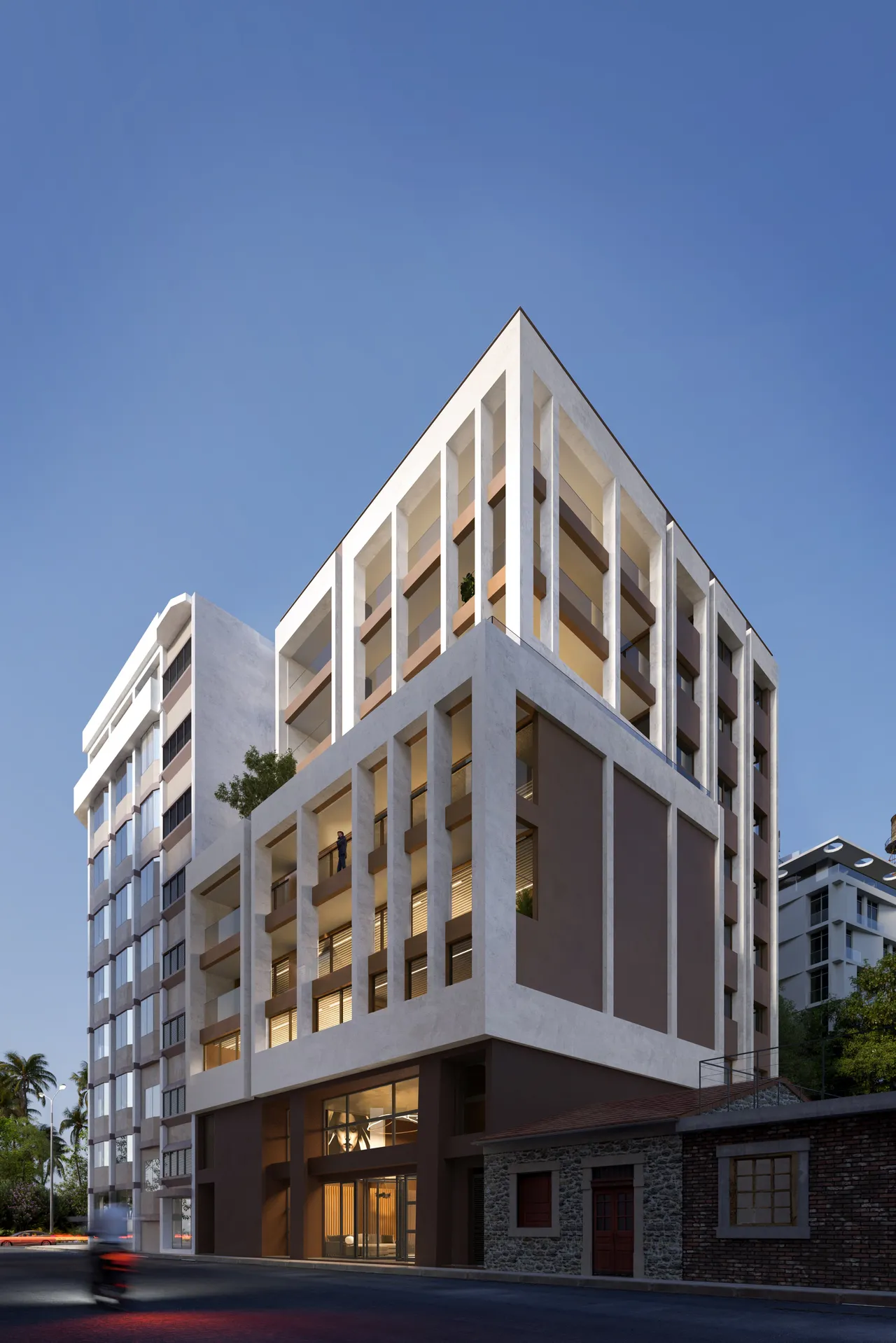
Line
Limassol · Potamos Germasogeias
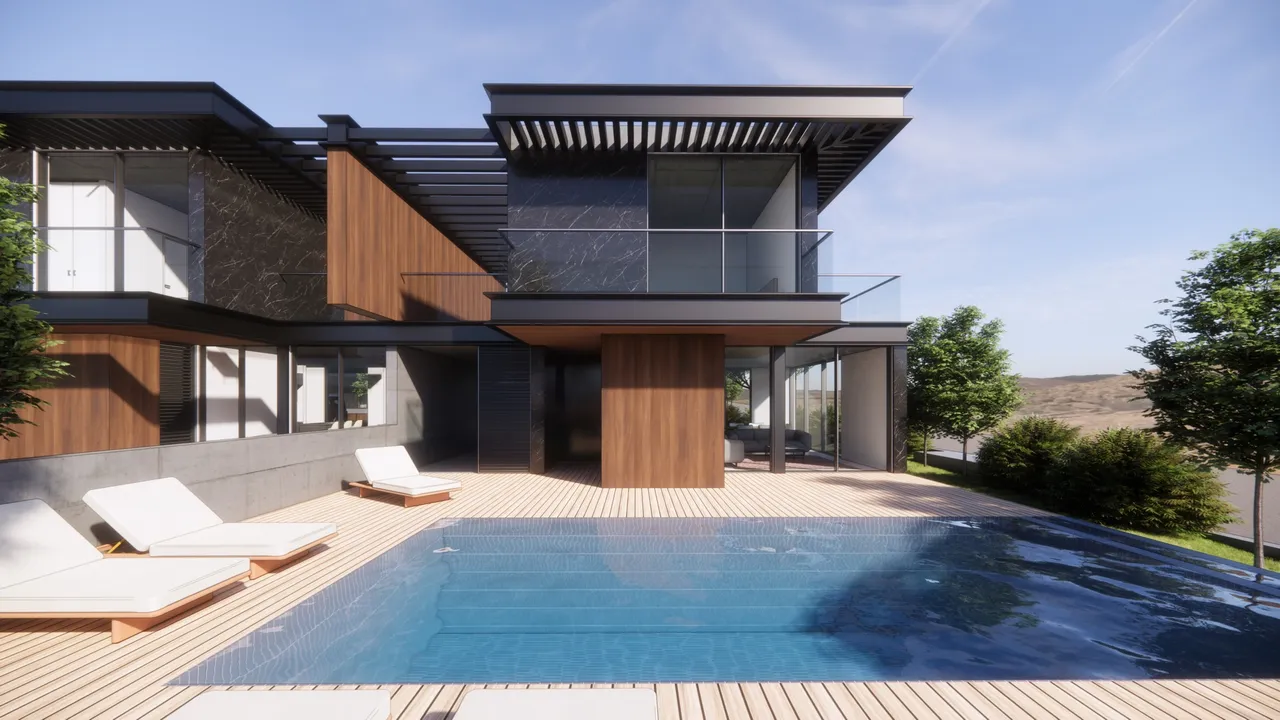 Villa · Terraced House · Apartment
Mamba
Paphos · Chlorakas · Chloraka
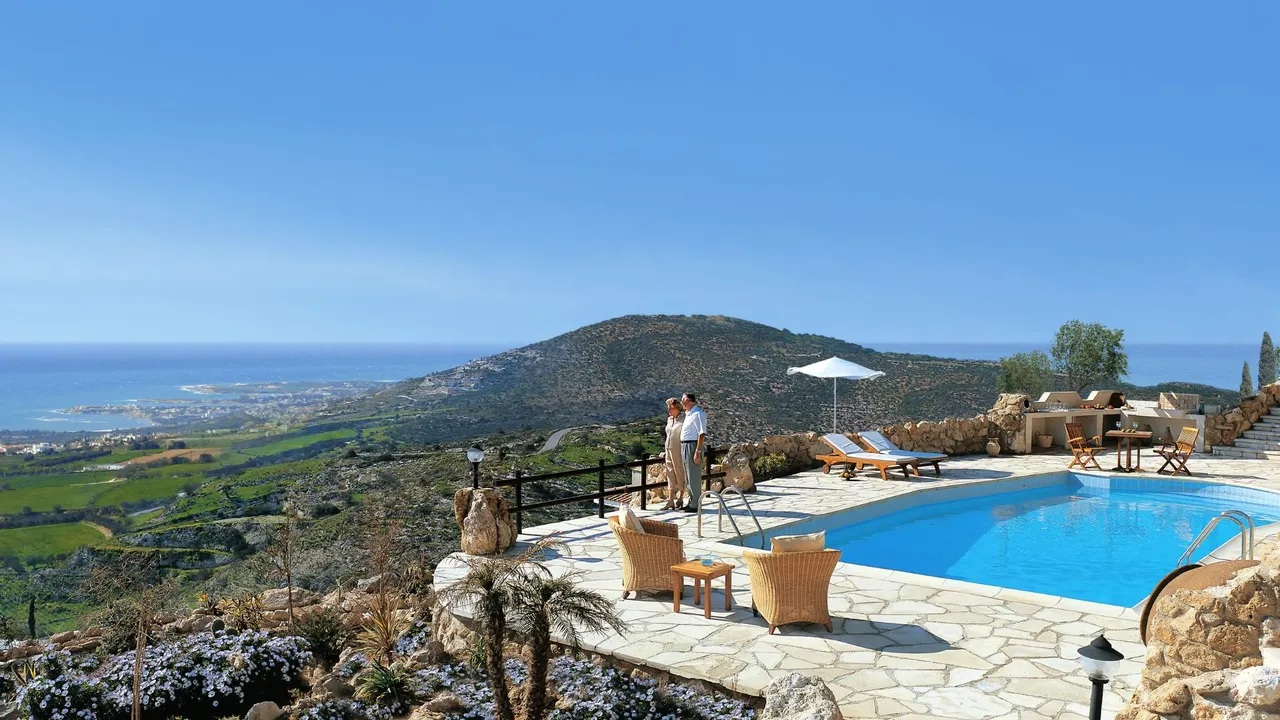 Villas / Houses
Olympus Village
Paphos · Tsada