Cyprus Insights/Legal & Tax Insights
Cyprus "Golden Visa": What It Actually Means in 2026 (Permanent Residency Category 6.2 Explained)

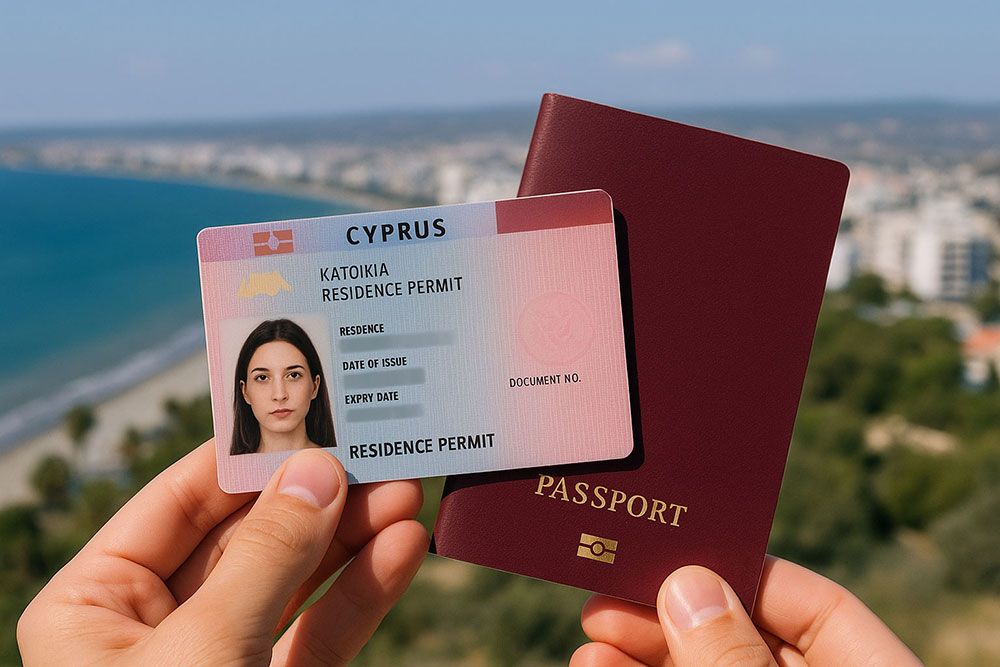
Search for "Cyprus Golden Visa" and you'll find plenty of agencies still using the term — but the programme it originally described no longer exists. Cyprus's citizenship-by-investment scheme was abolished in November 2020. What's live today, and often confused with it, is Permanent Residency Category 6.2: a legitimate, lower-cost route to indefinite Cyprus residence through a qualifying investment, most commonly a new-build property. It is not citizenship, it is not the old scheme revived, and understanding the difference matters before you plan around it.
The Myth vs the Reality: Why People Still Say Cyprus "Golden Visa"
The phrase "Golden Visa" traces back to the Cyprus Investment Programme (CIP), a citizenship-by-investment scheme that ran from 2007 to 2020. It let foreign investors obtain a Cypriot — and therefore EU — passport directly, with no residence test and no language requirement, in exchange for a large capital investment. The minimum started at €25 million when the scheme launched, before being cut to €2.5 million in 2013 and later set around €2 million. Just over 7,000 people obtained citizenship this way before the scheme ended.
The programme collapsed after Al Jazeera's "Cyprus Papers" investigation, published in 2020, showed undercover footage of officials and intermediaries describing how the scheme could be used to fast-track applicants with criminal records or pending charges. An independent inquiry (the Nikolatou Report) subsequently found that a majority of the passports issued under the scheme did not properly meet its own legal criteria. Two senior Cypriot officials resigned. The government terminated the Cyprus Investment Programme on 1 November 2020, and has since revoked well over 200 passports from investors and their family members.
None of that history applies to what exists today. Permanent Residency under Regulation 6(2) of the Aliens and Immigration Regulations — Category 6.2 — is a different instrument entirely: it grants residence, not citizenship; it requires a minimum of €300,000, a fraction of the old millions-euro threshold; and it remains fully legal and actively administered by the Cyprus Civil Registry and Migration Department. The "Golden Visa" label sticks around mostly out of habit and marketing shorthand, not because the old scheme was rebranded.
Cyprus Permanent Residency Category 6.2: Investment and Income Requirements
The current framework — revised by the Ministry of Interior with effect from 2 May 2023 — sets two separate conditions: a qualifying investment, and a proven income from abroad.
| Investment route | What it involves |
|---|---|
| New residential property | A house or apartment bought new, in its first sale, directly from a development company, for at least €300,000 plus VAT. One or two units from the same developer can be combined to reach the threshold, provided there is enough space for the whole family. |
| Other real estate | Commercial property — offices, shops, hotels and similar — worth at least €300,000. Unlike the residential route, resale properties are allowed here. |
| Cyprus company shares | At least €300,000 in the share capital of a Cyprus-registered company that maintains a genuine physical presence on the island and employs a minimum of five people. |
| Cyprus investment funds | At least €300,000 in units of a Cyprus-regulated collective investment scheme (an AIF, AIFLNP or RAIF) that itself invests in Cyprus. |
Whichever route is used, the funds must be transferred to Cyprus from abroad, with the bank transfer and source of funds documented. Alongside the investment, the main applicant must show a secure annual income from abroad of at least €50,000 — a figure raised from €30,000 by the May 2023 amendment, which also scrapped an older requirement for a separate €30,000 three-year fixed deposit. That income can be evidenced through tax returns, an independent accountant's certificate, or documented dividend, rental or pension income.
Who Can Be Included: Spouse, Children and Family
The main applicant's spouse and minor children (under 18) are included on the same application, with no separate investment required for them. The income requirement, however, scales up: add €15,000 a year for a spouse and €10,000 for each dependent child.
Adult children are a special case. An unmarried child aged 18 to 25 who is a full-time student abroad, financially dependent on the applicant, and has at least six months of study remaining at the time of application can be added through a separate, linked Permit application — with the family's required income rising by a further €10,000 for that child — the child does not need to independently show €50,000 of their own. Usefully, once granted, that child's residency permit does not automatically lapse at 25, even if they later stop studying, become financially independent, or marry — provided the main applicant's own permit stays valid.
How to Apply: Process and Timeline
The application is filed with the Civil Registry and Migration Department, either in person or through a locally licensed lawyer, and typically needs: valid passports for every family member, clean criminal record certificates (from both the home country and country of residence, apostilled or embassy-certified), proof of the qualifying investment (contract of sale, land registry documents, bank transfer confirmations), evidence of the required income, and private medical insurance covering inpatient and outpatient care.
Under the fast-track Regulation 6(2) route, a complete application is commonly decided within a couple of months, though processing can run longer — up to five or six months isn't unusual — depending on the department's caseload and how complete the file is at submission. Once granted, the permit does not have an expiry date, but it is not unconditional: holders must periodically re-confirm their clean criminal record and maintain valid health insurance, and the investment generally has to be kept (or replaced with another qualifying one) for as long as the residency is held.
Permanent Residency vs Citizenship: What the Status Actually Grants
This is the point where the "Golden Visa" framing causes the most confusion, so it's worth being precise. Permanent Residency Category 6.2 grants the right to live in Cyprus indefinitely, subject to those ongoing conditions — it is genuinely open-ended, with no renewal date to track. It is not citizenship. It does not put a Cypriot, or EU, passport in your hands, and it does not by itself carry the EU rights that come with citizenship: the automatic right to live and work in any other EU member state, or full EU freedom-of-movement status. Cyprus is also not currently part of the Schengen area, so the permit doesn't include Schengen travel rights either.
The permit also doesn't authorise salaried employment in Cyprus. Holders can't take a local job, but they can be a shareholder or director of a Cyprus company, and can receive dividends, rental income or a pension — passive or investment income, distinct from a wage. And while the residency itself never expires on a fixed date, keeping it does require a genuine, if minimal, connection to the country: holders must visit Cyprus at least once every two years, a rule that applies to every family member on the permit, not just the main applicant.
Cyprus Permanent Residency and Tax Residency: Are They the Same Thing?
This is worth stating plainly, because it's commonly assumed otherwise: holding Cyprus Permanent Residency does not, on its own, make you a Cyprus tax resident. Immigration status and tax residency are governed by entirely separate rules and assessed independently. It's entirely possible to hold a Category 6.2 permit for years, visiting only the minimum needed to keep it valid, and never become a Cyprus tax resident at all — in which case Cyprus generally has no claim on your worldwide income, and your existing home-country tax position continues to apply.
Tax residency is instead triggered under Cyprus's Income Tax Law, through one of two tests: physical presence of more than 183 days in Cyprus within a calendar year, or the "60-day rule" — available to those who spend at least 60 days in Cyprus, are not tax resident anywhere else, don't spend more than 183 days in any other single country, maintain a permanent home in Cyprus (owned or rented), and either run a business or hold a directorship or employment position there. Only if one of these is actually met does Cyprus tax residency — and with it, potential access to the country's non-domicile ("non-dom") regime — come into play. Non-dom status, broadly, exempts qualifying tax residents from Special Defence Contribution on dividend, interest and certain rental income for up to 17 years, but it is a consequence of becoming a tax resident, not of holding a PR permit.
Which Property Purchases Actually Qualify
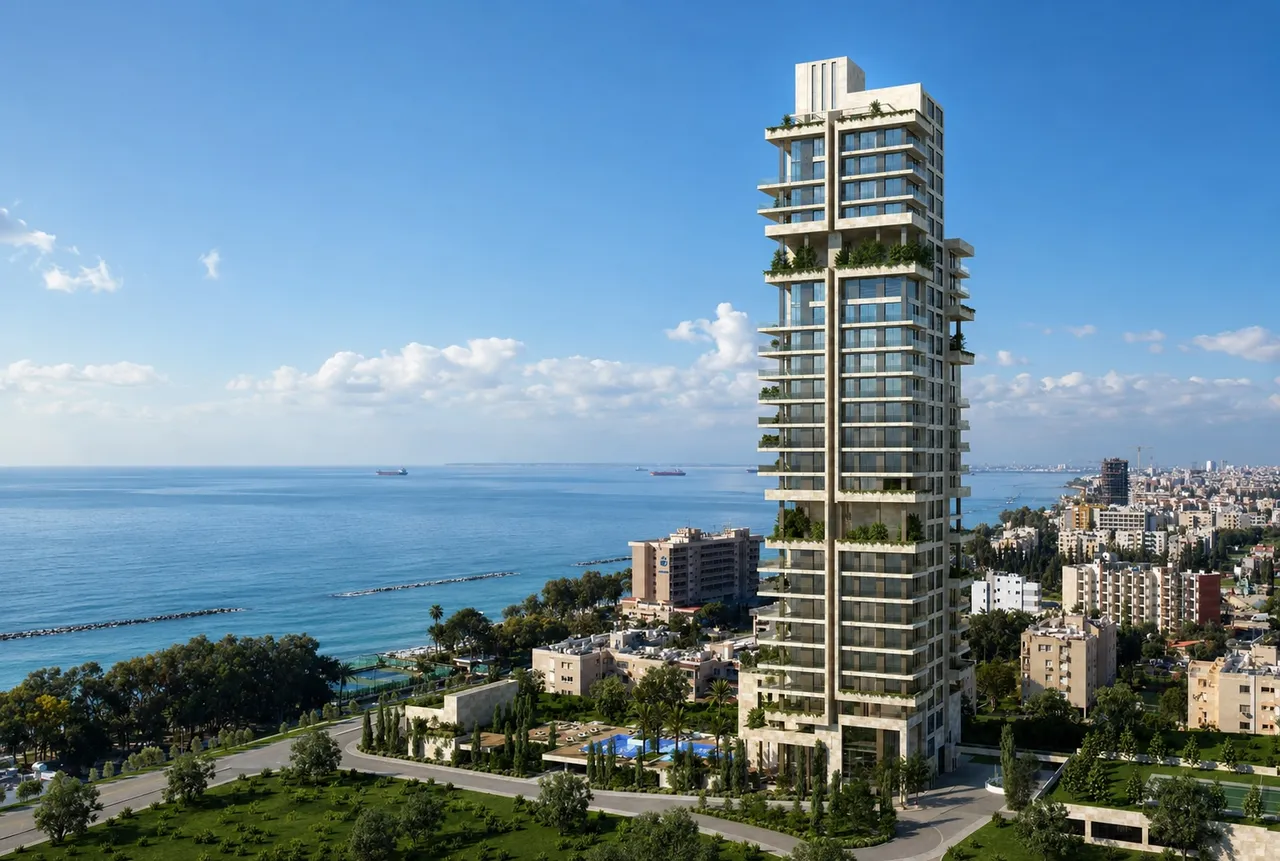
Because the most common investment route runs through new-build residential property, Category 6.2 is naturally relevant to anyone already comparing developments across Paphos, Limassol, Larnaca or elsewhere on the island — provided the property is bought new, first sale, directly from a developer, at or above the €300,000 threshold. It isn't a reason to buy on its own, and a property that qualifies on paper still needs to make sense as a home or investment first. For buyers who do want their purchase to double as their residency route, our list of villas eligible for the Cyprus residency permit is a reasonable starting point for eligible new-build listings.
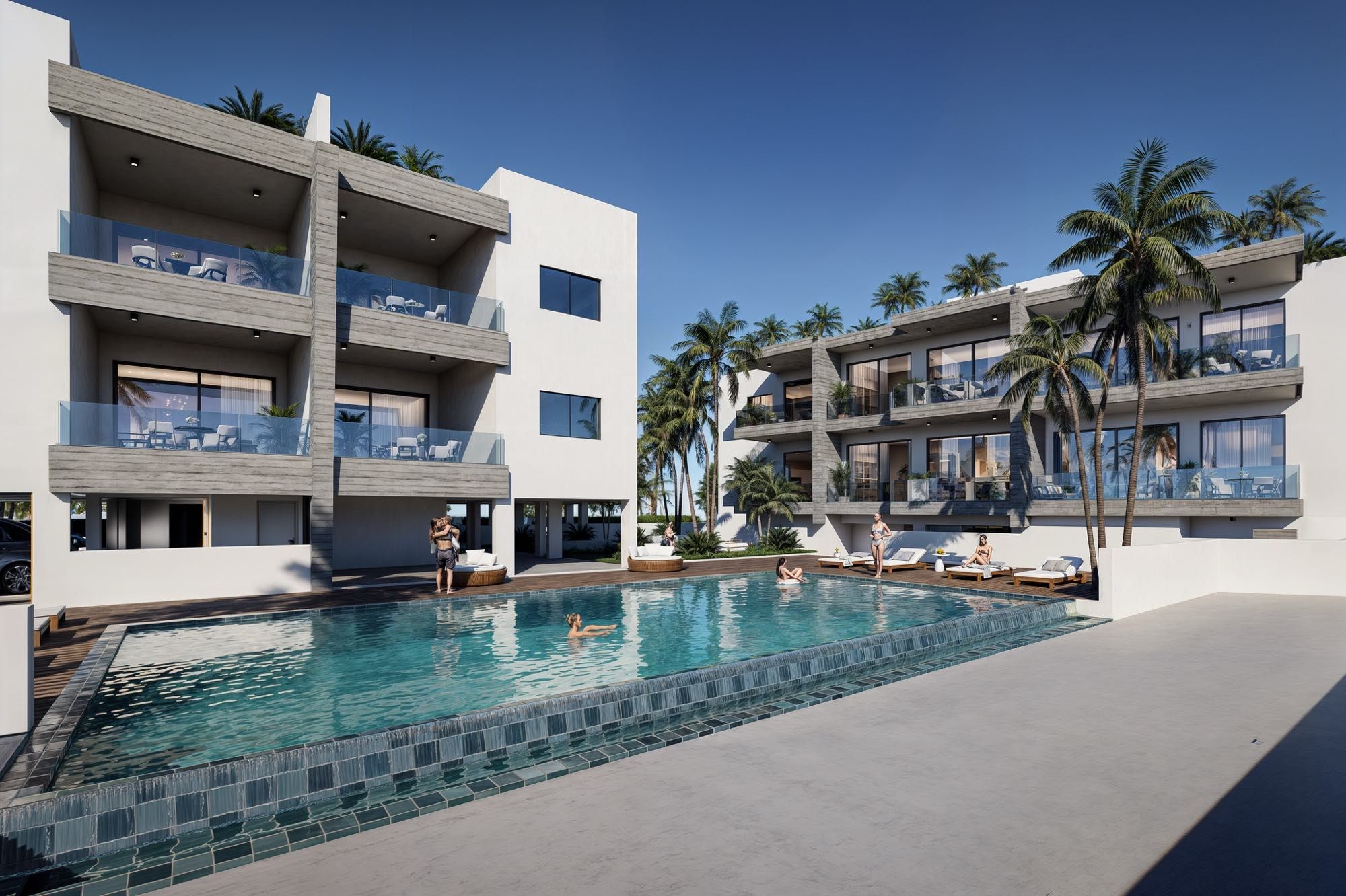
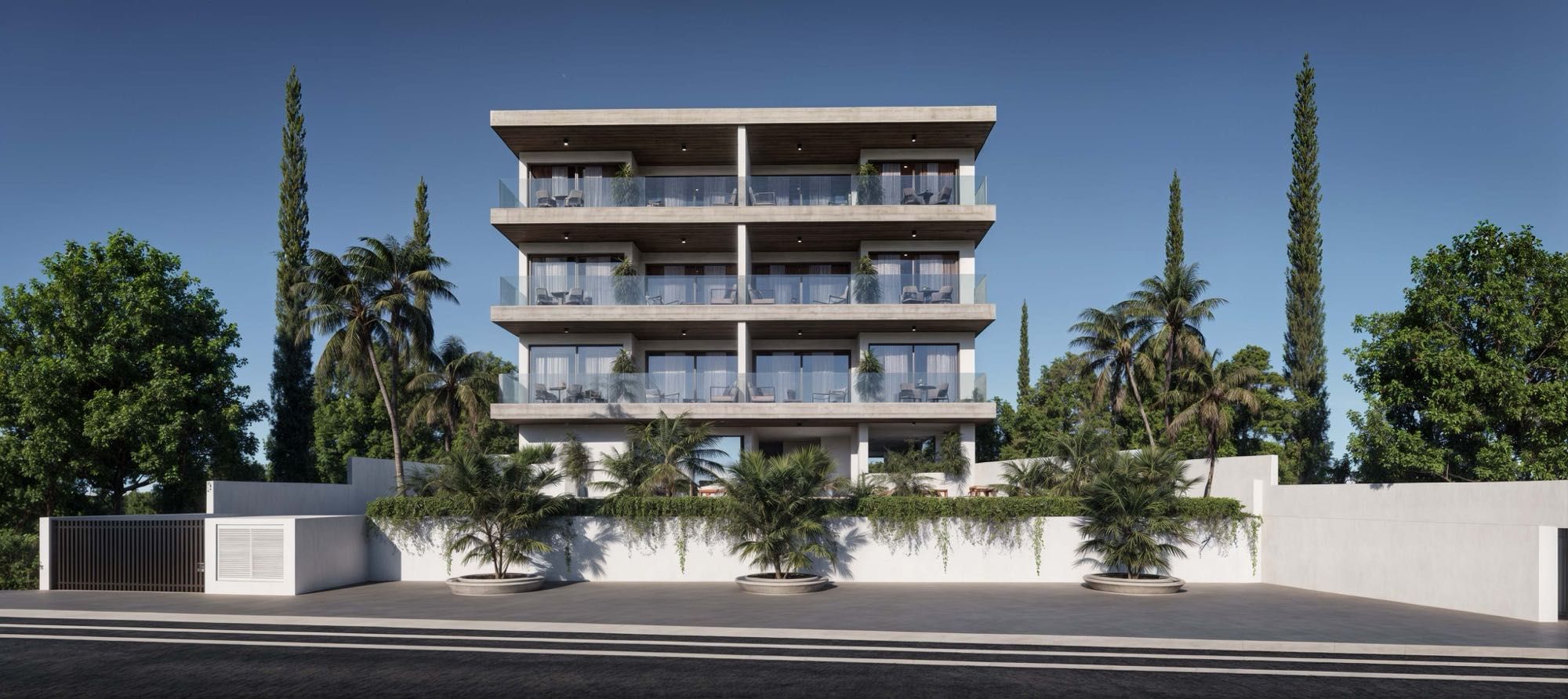
Beyond that shortlist, browsing current off-plan and new-build listings across Cyprus is a practical way to compare qualifying options directly, since the first-sale requirement rules out most resale inventory. In the Tombs of the Kings area of Paphos, for instance, Dolce is a small under-construction scheme priced from €580,000 that meets the threshold — one example of the kind of first-sale new-build the Category 6.2 route is built around.
No. The original "Golden Visa" — the Cyprus Investment Programme — granted citizenship in exchange for millions of euros and was abolished in November 2020. Permanent Residency Category 6.2 is a separate, still-active scheme that grants residence, not citizenship, starting from €300,000.
Not as an employee. The permit does not authorise salaried employment in Cyprus, though holders can be shareholders or directors of a Cyprus company and can receive dividends, rental income or a pension.
No. There's no minimum residence requirement to maintain the status — only a requirement to visit Cyprus at least once every two years, which applies to every family member included on the permit.
Selling the investment without replacing it with another qualifying one can put the residency status at risk, since the permit generally depends on the investment being maintained for as long as it's held.
No, not by itself. Tax residency is assessed separately, under the 183-day or 60-day rule. Many PR holders who visit only occasionally never become Cyprus tax residents at all.
Yes. A spouse and minor children (under 18) are included on the same application at no extra investment, with the required income rising by €15,000 for a spouse and €10,000 per child. Unmarried student children aged 18–25 can usually be added through a linked application.